At a glance
- What it is
- Project FeederWatch is the Cornell Lab of Ornithology and Birds Canada’s November-to-April survey of the birds at backyard feeders. Its 40th season runs 1 November 2026 to 30 April 2027.
- What it costs
- $18 in the US ($15 for Cornell Lab members). Canadians join with a donation of any amount. First-timers join free with code FIRSTPFW.
- How to join
- Sign up at feederwatch.org, pick a count site, then count there over two consecutive days, as often as once a week.
The 40th season just opened — and your feeder is the laboratory
Project FeederWatch turned 40 this autumn. For four decades, people watching their own feeders have built one of the longest-running winter bird datasets in the world — and the 40th season, which began on 1 November 2026, is the easiest one yet to join. Run jointly by the Cornell Lab of Ornithology and Birds Canada, it is open to every skill level: no experience is needed, and no feeder is even required.
That dataset has already changed what scientists know — tracking Anna’s Hummingbird and Lesser Goldfinch range expansions, the long House Sparrow decline, and the winter movements that send northern finches south in some years and not in others.
Joining takes three steps
Sign up at feederwatch.org
Registration takes a few minutes: create a Cornell Lab account, choose the US or Canada route, and pay — or enter FIRSTPFW if it is your first season. Your kit includes instructions, a bird ID poster, and digital Living Bird access.
Choose your count site
A count site is a place where you have done something to attract birds — a feeder, plantings, water, brush piles, or a native garden. What matters is a clear view and a site you can watch regularly.
Start counting
Pick two days in the same week and start. No minimum watch time — ten minutes over breakfast counts, and so does a full afternoon. Submit each count online.
What the $18 buys
The fee covers the website and database, data analysis, participant support, and the kit. At season’s end you receive Winter Bird Highlights. Two non-profits run it, and participant fees are almost the whole budget.
A count weekend, hour by hour
Pick any two consecutive days — Saturday and Sunday, say — and watch as often as you like. For each species, record the most birds seen at one time, not every bird that ever visited. Seven chickadees crowd the tube feeder at 9 a.m.; by noon only three are there. You write down seven.
That “maximum at once” rule keeps the data honest — the same bird is not counted five times. Wait at least five days before the next count. Count as often as once a week, or as rarely as you like.
Set the stage before the first count
A count is only as good as its site. Put the feeder where you can see it, and keep it clean — dirty feeders spread disease, so read our guide to cleaning bird feeders first. Keep liquid water open too; our winter water guide covers heated baths and no-power routines. Fill the feeders with high-fat winter food and the best bird seed. The full setup is in our winter bird feeding guide.
The five birds on almost every first list
Most new counters meet the same five first. Black-capped chickadees arrive in small flocks and take one sunflower seed at a time. Dark-eyed juncos — the “snowbirds” — hop on the ground below the feeders for millet. Northern cardinals come in pairs for sunflower seed on a platform or hopper. American goldfinches work the nyjer and sunflower feeders in flocks. And downy woodpeckers are the most reliable suet visitors.
Three mistakes that waste a good count
Counting every bird. The classic beginner error is adding up every visit. FeederWatch wants the maximum seen at one time per species.
Counting birds outside the site. A hawk over the street or a crow in the neighbour’s tree does not belong on your count.
Counting at a dirty feeder. If birds look sick — fluffed up, lethargic, crusty eyes — stop counting, take the feeders down, and disinfect them. The protocol is in our cleaning guide.
FeederWatch vs the other two big counts
| Project FeederWatch | Christmas Bird Count | Great Backyard Bird Count | |
|---|---|---|---|
| When | 1 Nov 2026 – 30 Apr 2027 | 14 Dec 2026 – 5 Jan 2027 | 12 – 15 Feb 2027 |
| Time needed | Two days, as often as once a week | One day, inside your local circle | 15 minutes, on any of the four days |
| Cost | $18 US ($15 members); Canada by donation; FIRSTPFW free for first-timers | Free | Free |
| Where you count | Your own site, at home | Field or feeders, 15-mile circle | Anywhere — your yard counts |
| Run by | Cornell Lab + Birds Canada | National Audubon Society | Cornell Lab + Audubon + Birds Canada |
Your first count weekend — the checklist
- Count site chosen, clear view
- Feeders clean, full of sunflower seed and suet
- Water open — heater running, or morning refills ready
- Bird ID poster where you can see it
- Tally sheet or online form ready
- Account created, two count days picked
Why this winter’s counts carry extra weight
This is a winter worth counting. The Winter Finch Forecast for 2026–27 expects a sizeable Pine Siskin movement into the Northeast and Great Lakes, with crossbills moving east — FeederWatch tracks where those flocks land. The season runs to 30 April 2027, so joining in November misses nothing.
Frequently asked questions
Do I need a bird feeder to join Project FeederWatch?
No — any spot where you have done something to attract birds: plantings, water, brush piles, or a feeder.
How much does Project FeederWatch cost?
$18 for US residents ($15 for Cornell Lab members). Canadians join through Birds Canada by donation. First-timers join free with code FIRSTPFW at checkout.
How often do I have to count?
Two consecutive days, as often as once a week, at least five days between counts. No minimum watch time.
What if I can’t identify every bird?
Count what you know — the kit includes a bird identification poster, and the free Merlin Bird ID app identifies birds for you.
When does the 2026–27 season end?
30 April 2027. You can join at any time — joining in November misses nothing.
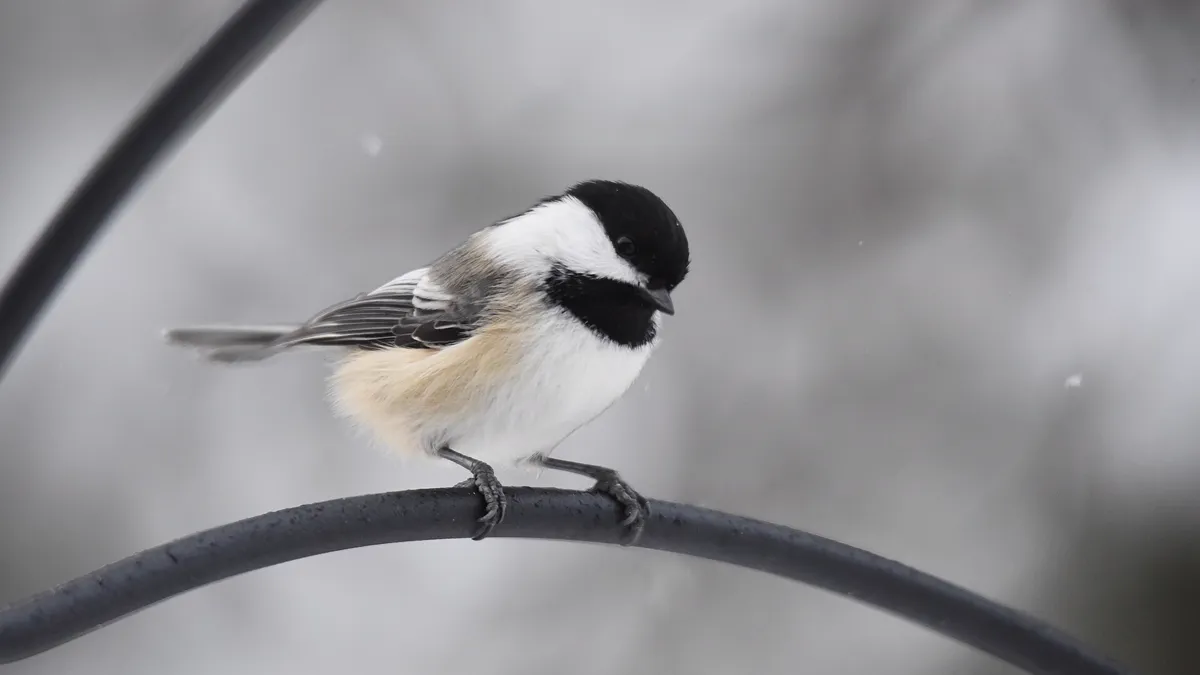
Featured photo: Black-capped chickadee in snow, Courtney Celley / U.S. Fish and Wildlife Service (public domain), via Wikimedia Commons.

Related Articles
How to Feed Birds While You’re on Vacation
Your birds won't starve while you're away — feeders are only about a quarter of their winter diet.…
Read Article
How to Stop Birds Fighting at Your Feeder
One feeder is one territory, so one bully bird can own it. Spread two or three different feeders…
Read Article
How to Stop Bird Seed Growing Under Your Feeder
Spilled seed sprouts when it stays viable, wet, and on soil. Switch to no-mess seed, catch it with…
Read Article