
How to Attract Chickadees to Your Backyard: 7 Proven Tips (2026)
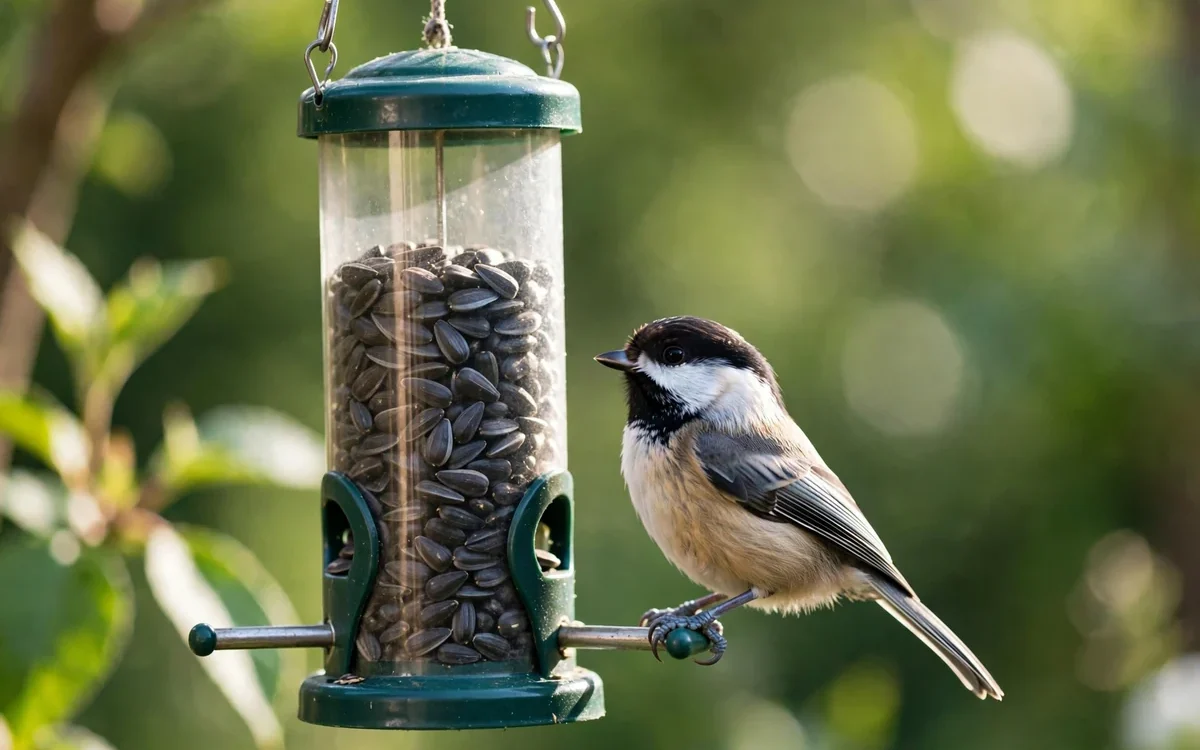
If there is one bird that can turn an ordinary morning into something special, it is the chickadee. That cheerful chick-a-dee-dee-dee call, the acrobatic upside-down landings, the bold curiosity — these tiny birds pack more personality than birds three times their size. Chickadees were among the very first birds to discover my feeders, and they have visited every single day since.
The best part? Learning how to attract chickadees is easier than attracting almost any other backyard bird. They are curious, adaptable, and quick to trust a reliable food source. Follow the seven proven tips below, and you could have your own resident flock within weeks.
Why Chickadees Are Worth Attracting
Not every backyard bird earns its keep the way a chickadee does. Here is what makes them special:
- They stay all year. The Black-capped Chickadee is mostly a permanent resident that does not migrate, so once chickadees adopt your yard, you get to enjoy them in every season — including the middle of winter, when most other songbirds have left.
- They are feeder naturals. The Cornell Lab of Ornithology calls chickadees one of the easiest birds to attract to feeders, readily coming in for suet, sunflower seeds, and peanuts.
- They control garden pests. In summer, a chickadee’s diet is mostly caterpillars and other insects — a single pair can deliver hundreds of insects a day to their nestlings. Free, chemical-free pest control.
- They are endlessly entertaining. Chickadees investigate everything, scold squirrels, and will eventually eat from your hand if you are patient. Kids love them.
7 Proven Ways to Attract Chickadees to Your Backyard
1. Offer Black Oil Sunflower Seeds
If you do only one thing on this list, make it this: put out black oil sunflower seeds. This is the number one chickadee food, full stop. The thin shells are easy for their small beaks to crack, and the high fat content gives them the energy they need, especially in cold weather.
Watch a chickadee at the feeder and you will notice a funny habit — it grabs a single seed and flies off to wedge it into a bark crevice before hammering it open. That is completely normal chickadee behavior. If you want to go deeper on seed quality and blends, check out my guide to the best bird seed for backyard birds.
2. Hang Suet, Especially in Fall and Winter
Suet is pure energy — rendered animal fat that mimics the calorie-rich insect diet chickadees rely on in warmer months. When temperatures drop and insects disappear, a suet cage can become the busiest spot in your yard. Chickadees cling to suet feeders with ease, often hanging upside down without a second thought.
Use a simple wire suet cage, and in warm weather switch to no-melt suet dough so it does not go rancid in the heat. For my top picks, see the best suet for backyard birds.
3. Add Shelled Peanuts to the Menu
Chickadees go crazy for peanuts. Offer shelled peanut pieces or peanut hearts in a mesh feeder — whole in-shell peanuts work too, but pieces are easier for small beaks and create less mess. Peanuts are protein-packed, which makes them especially valuable during nesting season and cold snaps.
One caution: only put out as many peanuts as birds can eat in a day or two, and keep them dry. Peanuts can grow mold in damp conditions, which is harmful to birds.
4. Choose Feeders Chickadees Can Cling To
Here is the good news about feeders: chickadees are not picky. Tube feeders are the classic choice — the small perches suit their size and naturally discourage bigger, pushier birds. But they will also happily use hopper feeders, platform feeders, suet cages, and even window feeders.
Because chickadees are lightweight acrobats, they do not mind feeders that swing in the wind, which makes them ideal candidates for hanging feeders. Place your feeder about 10 feet from trees or shrubs so chickadees have a quick escape route from hawks — and a convenient staging perch while they wait their turn. If you are unsure about placement, read my guide on where to place a bird feeder in your backyard.
5. Keep Fresh Water Available Year-Round
Here is a secret many beginners miss: water attracts birds even faster than food. Every bird needs to drink and bathe, including species that rarely visit feeders. A shallow birdbath — just one to two inches deep — with a rough surface for grip is all it takes.
In winter, a heated birdbath is a game-changer. When every natural water source is frozen solid, your open water becomes the most popular spot in the neighborhood. Moving water from a small dripper or fountain attracts even more attention. Learn more in my guide on how to attract birds with water.
6. Give Them Shelter and a Nest Box
Chickadees are cavity nesters — in the wild they raise their young in holes in rotten wood or old woodpecker cavities. You can roll out the welcome mat by putting up a proper chickadee nest box: a floor about 4 x 4 inches, 8 to 10 inches tall, with a 1⅛-inch entrance hole, mounted 5 to 15 feet high on a post or tree.
Here is a trick straight from the Cornell Lab: chickadees are especially attracted to a nest box filled with sawdust or wood shavings, which lets them “excavate” their own cavity just like they would in nature. Add a predator guard to keep raccoons and cats from raiding the box. Beyond the box itself, dense evergreens and native shrubs give chickadees the cover they need to feel safe — a feeder hanging in a barren yard gets far fewer visits than one near good shelter.
7. Be Patient and Keep the Yard Safe
Chickadees are naturally curious, so they often discover a new feeder within days — but sometimes it takes a couple of weeks. Keep the feeder consistently filled during that time; an empty feeder teaches birds to look elsewhere. Once a chickadee decides your yard is reliable, it will remember — these birds have remarkable spatial memories and cache food in hundreds of hiding spots.
The biggest threat to your new flock is a roaming cat. Even a well-fed house cat will stalk feeder birds, and chickadees feeding low or drinking at a bath are vulnerable. Keep pet cats indoors, or follow these steps to keep cats away from your bird feeder. Also clean your feeders regularly with a mild bleach solution — healthy birds are returning birds.
What Do Chickadees Eat? Quick-Reference Table
Use this table to build the perfect chickadee menu:
| Food | Why Chickadees Love It | Best Way to Offer |
|---|---|---|
| Black oil sunflower seeds | The #1 favorite — thin shells, high fat | Tube or hopper feeder |
| Suet | High-energy fat, critical in winter | Wire suet cage (no-melt dough in summer) |
| Shelled peanuts | Protein-packed, easy for small beaks | Mesh peanut feeder or platform feeder |
| Nyjer (thistle) seed | Tiny seeds suit tiny beaks | Tube feeder with small ports |
| Dried mealworms | Mimics their natural insect diet | Small dish feeder, especially in spring |
3 Mistakes That Keep Chickadees Away
1. Filling feeders with cheap seed mixes. Bargain mixes bulked up with milo, cracked corn, and wheat are filler that chickadees simply toss aside. Stick with black oil sunflower as your base.
2. Letting feeders get dirty. Moldy seed and bacteria-laden surfaces spread disease fast in a busy flock. A quick scrub every couple of weeks keeps your chickadees healthy and coming back.
3. Hanging the feeder in a wide-open space. Chickadees are brave but not reckless — they want dense shrubs or trees within a short flight for escape cover. A feeder stranded in the middle of a bare lawn will sit empty while the same feeder near cover stays busy.
Chickadees remind me why I started feeding birds in the first place — a little daily joy, right outside the window. Set out the sunflower seeds, hang the suet, keep the water fresh, and give them a safe place to land. Do that, and you will not just attract chickadees — you will keep them. Which of these tips will you try first?
What is the best food to attract chickadees?
Black oil sunflower seeds are the single best food for attracting chickadees. Their thin shells are easy to crack and the high fat content provides essential energy. Suet and shelled peanuts are close seconds, especially in winter.
Do chickadees migrate?
Mostly, no. The Black-capped Chickadee is mostly a permanent resident, with only occasional fall movements further south. Once chickadees settle into your yard, you can enjoy them year-round.
What kind of birdhouse do chickadees like?
Chickadees prefer a small box with a 4 x 4 inch floor, 8 to 10 inches tall, a 1⅛-inch entrance hole, mounted 5 to 15 feet high. Fill it with wood shavings so they can excavate, and add a predator guard to protect eggs and nestlings.
How long does it take for chickadees to find a new feeder?
Often just a few days, since chickadees are naturally curious and constantly exploring. In quieter areas it can take two to three weeks. Keep the feeder consistently filled during this time so early visitors find a reward.
Will chickadees use a window feeder?
Yes. Chickadees are bold little birds and readily visit window feeders, which gives you an incredible close-up view. Just make sure the feeder is either very close to the glass (within 3 feet) or far enough away (over 30 feet) to prevent window collisions.

Related Articles
How to Attract Dark-Eyed Juncos to Your Backyard: 7 Proven Tips (2026)
How to Attract Dark-Eyed Juncos to Your Backyard: 7 Proven Tips (2026) The first time I saw one,…
Read Article
How to Attract Goldfinches to Your Backyard: 7 Proven Tips (2026)
How to Attract Goldfinches to Your Backyard: 7 Proven Tips (2026) There is a moment every backyard bird…
Read Article
How to Attract Bluebirds to Your Backyard: 7 Proven Tips (2026)
The first time I saw a bluebird in my backyard, I nearly spilled my coffee. Early March, thin…
Read Article