Short Answer
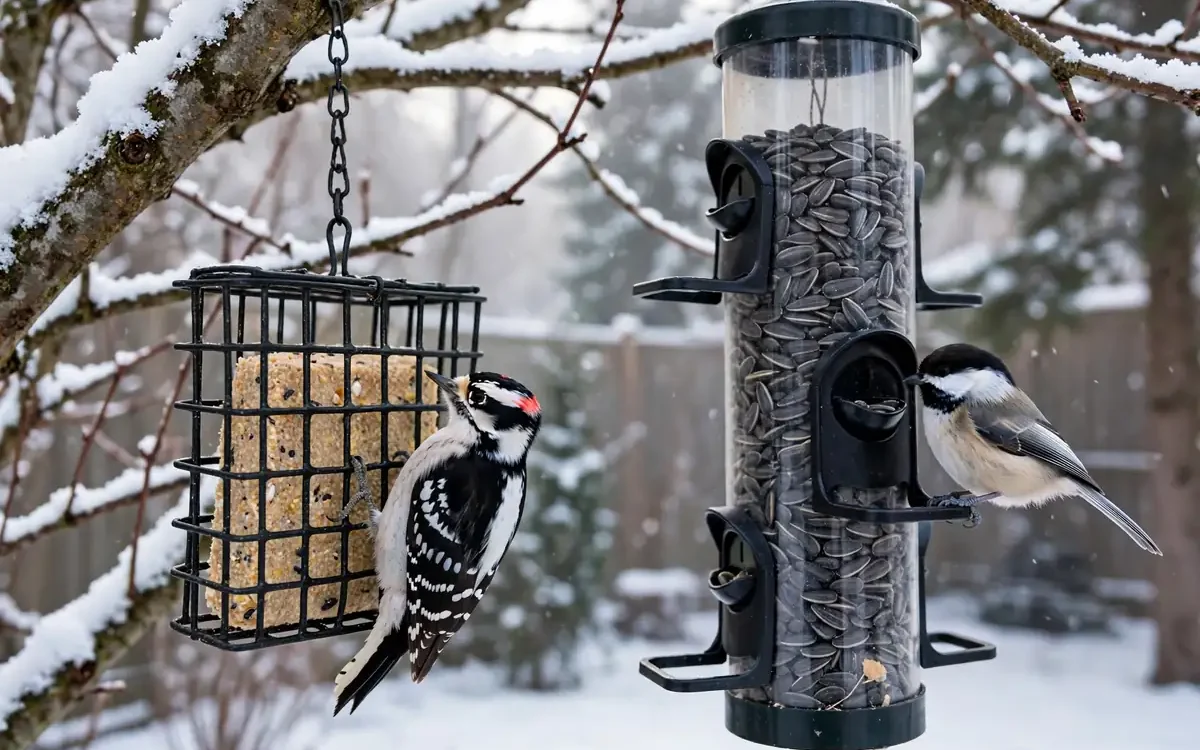
Suet vs seed is not a contest with one winner. Suet is concentrated fat — the fastest fuel for birds burning calories to stay warm — and the best way to attract woodpeckers, nuthatches, and chickadees in cold weather. Seed, especially black-oil sunflower, feeds the widest range of backyard birds and is the better everyday staple. In winter, offer both: seed in a tube feeder, suet in a wire cage, hung a few feet apart.
The question sounds simple — suet or seed? — but it is really two questions: which food keeps birds warmest in a cold snap, and which brings the most species to the yard? The answers point in different directions, which is why the answer is both. The planner in the Feeding Tools builds a plan around the birds and feeder in any yard.
The Winter-Fat Argument: Why Suet Wins When It Is Cold
Suet is rendered animal fat — technically the hard fat around the kidneys and loins of beef and mutton, though most beef fat sold as suet works the same way, according to the Cornell Lab of Ornithology. The numbers explain its power: USDA FoodData Central lists raw beef suet at 94 grams of fat and 854 calories per 100 grams. Fat is the most energy-dense food a feeder can offer, and the Cornell Lab notes animal fat is easily digested and turned into energy by many birds, making suet especially valuable in cold weather. A bird shivering through a January night burns fat to stay warm; a suet cake is the closest thing a feeder offers to a direct refill.
Why Seed Still Feeds More Birds
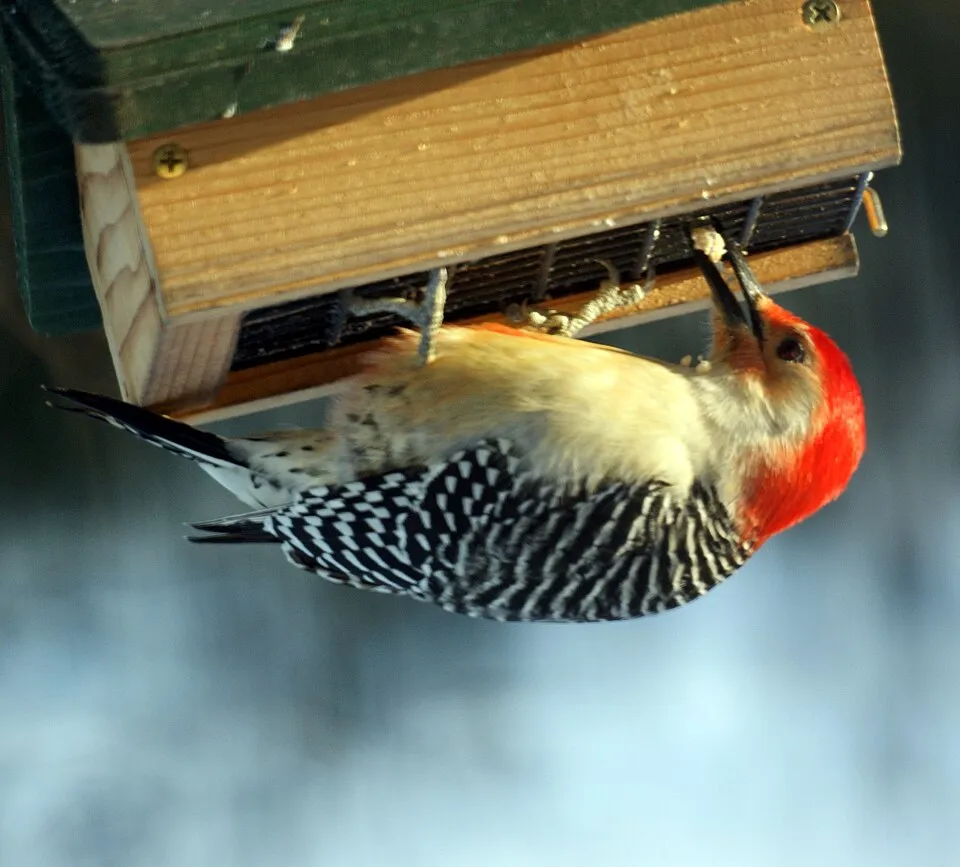
Seed is the foundation of backyard feeding, and black-oil sunflower is its standout. Audubon, recapping Bird Watcher’s Digest editor Bill Thompson’s top 10 winter foods, calls black-oil sunflower the “hamburger of the bird world”: nearly every bird that visits a feeder will eat it, because its thin shell is easy to crack. Cardinals, finches, chickadees, titmice, nuthatches, jays, and sparrows all take sunflower. Seed also gives variety suet cannot match: sunflower for general visitors, Nyjer for goldfinches, safflower where house sparrows are a problem, peanuts for jays and woodpeckers. Stored dry and sealed, seed keeps for months — the guide to storing bird seed covers the rules. Seed’s weakness is mess and damp: spilled seed sprouts, hulls pile up, and wet seed clumps. The guide to keeping bird seed dry in fall covers the fixes. And seed does almost nothing for insect-eaters that never crack seeds.
Suet vs Seed by the Numbers
The figures below come from USDA FoodData Central, a peer-reviewed nutritional analysis, the Cornell Lab, and the Missouri Department of Conservation.
| Suet | Seed (black-oil sunflower) | |
|---|---|---|
| Fat | 94 g per 100 g of raw beef suet (USDA) | About 65% lipids in one nutritional analysis (PubMed) |
| Energy | 854 calories per 100 g of raw beef suet (USDA) | High, but diluted by shell and fibre |
| Protein | About 1.5 g per 100 g (USDA) — suet is fuel, not protein | About 34% protein in the same analysis (PubMed) |
| Warm-weather limit | Raw suet turns rancid above freezing (Cornell); do not leave suet out above 50°F (Missouri Dept. of Conservation) | None — stays safe in heat if kept dry |
| Feeder | Wire cage or suet log feeder | Tube, hopper, or tray feeder |
| Main visitors | Woodpeckers, nuthatches, chickadees, jays, starlings (Cornell) | Cardinals, finches, chickadees, titmice, nuthatches, jays, sparrows (Audubon) |
Which Birds Choose Which — and What That Tells You
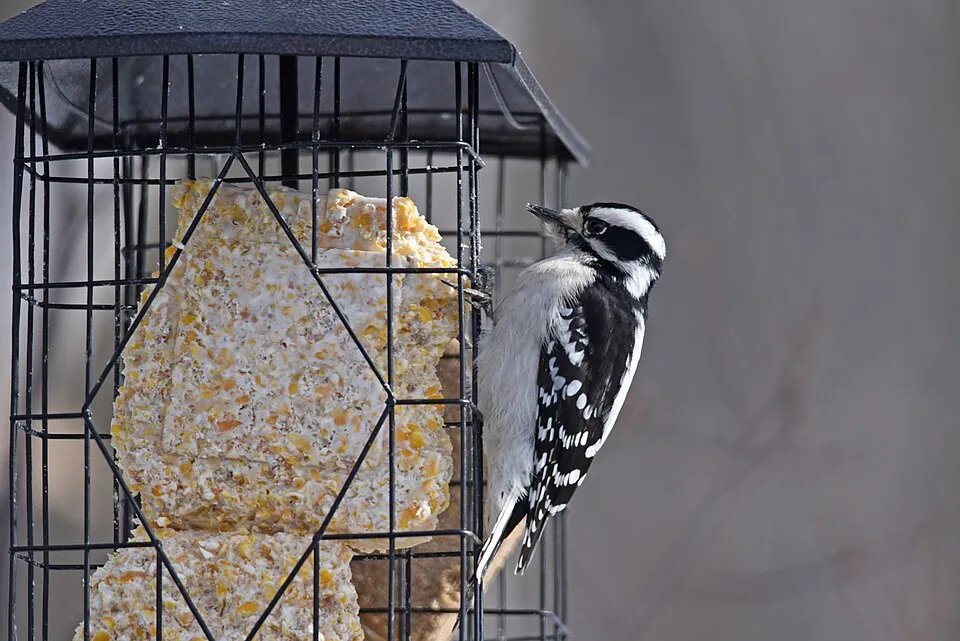
Birds sort themselves by bill and habit. Suet visitors are mostly birds that cling to bark and pick insects from crevices: woodpeckers first, then nuthatches, chickadees, titmice, wrens, and creepers. The Cornell Lab lists woodpeckers, nuthatches, chickadees, jays, and starlings as the most regular suet visitors, with wrens, creepers, kinglets, cardinals, and some warblers visiting occasionally. Seed visitors are the perching, cracking, ground-feeding crowd: cardinals, house finches, goldfinches, sparrows, juncos, doves, and jays. Chickadees and nuthatches visit both. The practical lesson: if the yard already has cardinals and finches but no woodpeckers, the missing piece is a suet feeder, not better seed. The guide to attracting woodpeckers starts with this step.
The Decision: When Each One Wins
Starting out, feeding on a budget, or feeding through summer. One good sunflower feeder, kept clean and dry, brings the most birds for the least money. Seed also wins in warm weather: it will not melt or go rancid.
Cold weather arrives, woodpeckers are the target, or the seed feeder has gone quiet in midwinter. Suet also wins when mess is the main complaint: a caged block leaves no hulls and no sprouting seedlings. Audubon lists suet among its top 10 foods for winter bird feeding, readily eaten by titmice, chickadees, nuthatches, and woodpeckers.
One Mistake That Wastes Both Foods
The most common mistake is treating the choice as permanent: suet-only or seed-only, all year. A suet-only yard misses finches, cardinals, and sparrows; a seed-only yard misses woodpeckers and most insect-eaters. The second mistake is buying filler-packed mixed seed to save money. Audubon’s recap of Thompson’s list warns bad mixed seed is padded with filler — junk seeds most birds will not eat, including dyed seed meant for pet birds and some forms of red milo. The rejected seed rots on the ground and attracts rats, so spend the same money on a smaller bag of sunflower. The bird seed buying guide shows what to check on the label.
A Note on the Seasons
Suet is a cold-weather food with a firm expiry date. The Cornell Lab warns raw suet grows rancid quickly when temperatures rise above freezing, and softened fat can coat belly feathers — dangerous in spring and summer when birds are incubating, because clogged pores in eggshells can starve a developing embryo. The Missouri Department of Conservation puts a plain number on it: do not leave suet outside when temperatures rise above 50°F. In warm months, use a no-melt blend in the shade, put out only what birds finish in a day or two, and lean on seed. Seed has no such season: it feeds birds year-round as long as it stays dry.
A Simple Two-Feeder Winter Setup
Two feeders, one rule: seed and suet hang a few feet apart, never on the same pole. A tube feeder filled with black-oil sunflower goes where it can be seen from the window; the suet cage hangs from a separate branch or pole, near a tree trunk, because woodpeckers and nuthatches feel safer clinging near bark. A baffle on each pole keeps squirrels honest. Start with a plain suet cake, then try the homemade suet recipes once it is working. Check the suet cage every two or three days in cold weather and the seed feeder weekly, topping up before either runs empty. Clean both feeders about every other week and dry them fully before refilling.
Frequently Asked Questions About Suet vs Seed
Is suet better than seed for winter birds?
Neither is universally better. Suet gives faster fat energy in cold weather, while seed feeds a wider range of birds. For winter, offer both: seed as the staple, suet as the supplement.
Can I offer suet and seed in the same feeder?
No — use separate feeders. Suet needs a wire cage or suet log feeder, while seed needs a tube, hopper, or tray feeder. Hanging them a few feet apart spreads birds out and reduces crowding.
When should I start offering suet?
Late autumn is ideal. Hang suet when overnight temperatures drop toward freezing, so birds learn the spot before the hardest weather. Keep it out through early spring, then switch to no-melt blends as temperatures rise.
Do all birds eat suet?
No. Suet is most popular with woodpeckers, nuthatches, chickadees, titmice, wrens, and creepers. Seed-eaters like goldfinches largely ignore it — which is why offering both attracts more species than either one alone.
Why is my suet disappearing overnight?
Night visitors are the usual culprits — raccoons and squirrels love suet. Bring the cage in at dusk if raccoons are active, use a baffle, and try a pepper-based suet, which mammals dislike but birds do not notice. The raccoon guide covers the full defences.
Related guides: 5 Homemade Suet Recipes Birds Love (Easy & Cheap) · Best Bird Food for Winter (High-Fat Foods That Actually Help)

Related Articles
White Proso Millet: The Small Seed Ground-Feeding Birds Actually Eat
White proso millet suits ground-feeding birds best: sparrows, juncos, doves, towhees, and quail. Learn which millet to buy,…
Read Article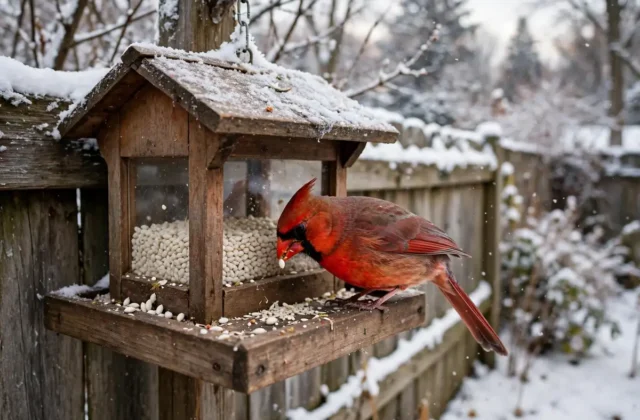
Safflower Seed: The Squirrel-Resistant Seed Cardinals Love
Safflower seeds are a squirrel-resistant feeder food loved by cardinals, chickadees, and finches. Learn which birds eat them,…
Read Article
Sunflower Seeds for Backyard Birds: Black-Oil vs Striped vs Hulled
sunflower seeds for backyard birds are a simple, reliable starting food — learn which form suits your visitors,…
Read Article