
Last updated: September 24, 2026 · 7 min read
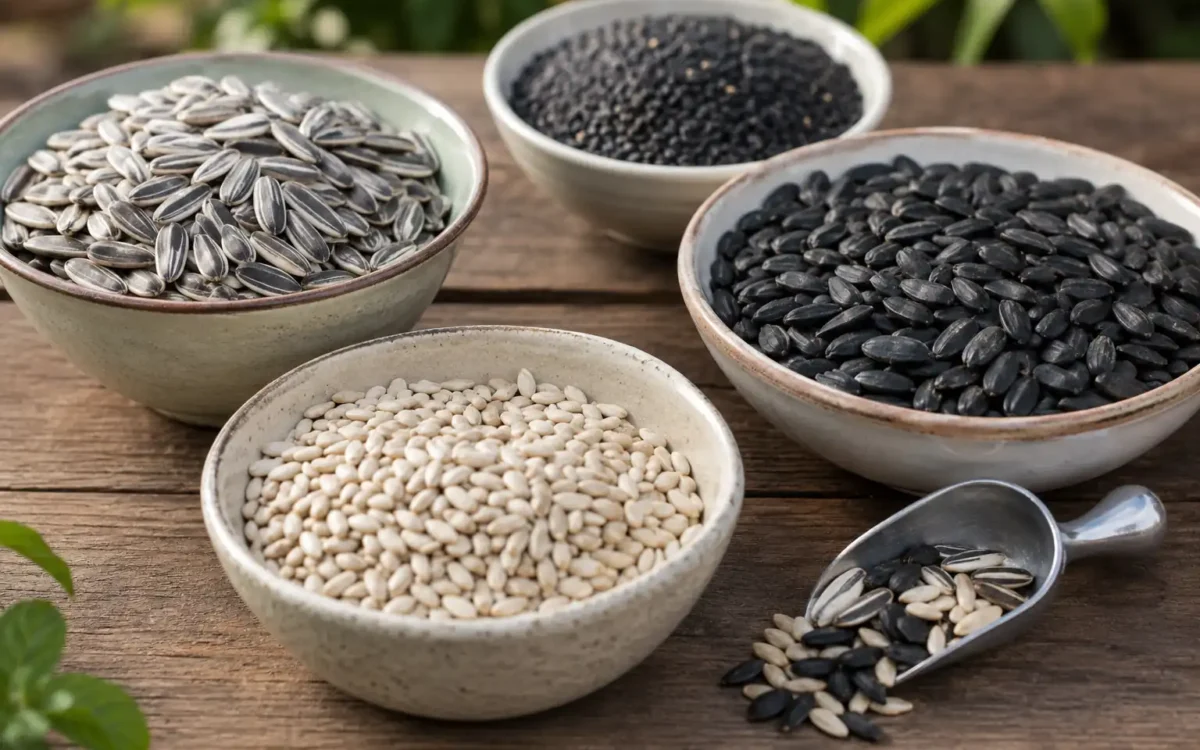
If you’re shopping for the best bird seed for backyard birds and could buy only one bag, black-oil sunflower seed would be the pick — and it’s not close. Side-by-side, a feeder filled with black-oil sunflower empties far faster and draws a wider cast of species than a premium mixed seed. There’s a reason serious birders buy it by the 40-pound bag.
Disclosure: Bird Feedly is reader-supported. When you buy through links on our site, we may earn an affiliate commission at no extra cost to you.
Why Black-Oil Is the Best Bird Seed for Backyard Birds
Three traits make black-oil sunflower (Helianthus annuus) the king of feeder seeds:
- Thin shells. Small birds — chickadees, titmice, nuthatches — crack them effortlessly. Striped sunflower’s thicker shell excludes half your audience.
- High oil content (~40%). More calories per seed means more energy per foraging trip, which matters enormously in winter.
- Universal appeal. Cardinals, jays, grosbeaks, finches, chickadees, nuthatches, doves — the guest list is the longest of any single seed.
Cheap “wild bird mix” bags are mostly milo, wheat, and cracked corn — filler most songbirds kick to the ground. A bag of black-oil sunflower has no filler at all. Every seed is dinner.
The Three Sunflower Types, Compared
| Black-oil | Striped | Hulled (chips/hearts) | |
|---|---|---|---|
| Shell | Thin, easy | Thick, hard | None |
| Oil content | ~40% | ~25% | ~40%+ |
| Who eats it | Almost everyone | Large-billed birds (jays, grosbeaks) | Everyone, including tiny bills |
| Waste/mess | Shells pile up | Shells pile up | Zero mess |
| Price | $ | $ | $$$ |
| Best use | Default everyday seed | Jay/grosbeak treat | Patios, balconies, HOAs |
Our recommendation: black-oil as your everyday workhorse. Hulled sunflower (chips or hearts) where mess matters — under a deck, on a balcony, or where a landlord inspects. Striped is fine but strictly worse than black-oil for most yards; buy it when jays are the target audience (see what blue jays eat).
Which Birds Love It Most?
Cardinals, black-capped chickadees, tufted titmice, white-breasted nuthatches, house and purple finches, evening grosbeaks, blue jays, mourning doves — and that’s the short list. If a seed-eating bird visits your region, black-oil sunflower is almost certainly on its menu. For the full species-by-seed breakdown, see our complete bird food guide.
Buying Smart: Bulk Economics
- Buy 20–40 lb bags at farm supply or warehouse stores — per-pound cost is often half the cute 5-lb bags.
- Check the date. Seed goes stale; dusty, dull, or musty-smelling bags are old. Fresh seed smells faintly nutty.
- Avoid mixes with filler. If the ingredient list leads with milo, red millet, or wheat, walk away.
- Store it right. Cool, dry, sealed, off concrete floors — full protocol in our seed storage guide. Moldy seed can kill birds (more in mold prevention).
One caution: sunflower shells contain a natural compound (allelopathic) that can suppress plants growing directly under feeders, and shell piles look messy. Rake or sweep under feeders monthly, or switch to hulled seed in showcase beds.
Best Bird Seed for Backyard Birds: FAQs
Are black-oil sunflower seeds better than mixed bird seed? For most yards, yes. Cheap mixes are bulked with milo and wheat that songbirds reject, so half the bag ends up on the ground. Straight black-oil sunflower is eaten almost completely, attracts more species, and usually costs less per actually-consumed pound.
What’s the difference between black-oil and striped sunflower seeds? Black-oil seeds are smaller with thinner shells and higher oil content (~40% vs ~25%), so more birds can crack them and each seed delivers more energy. Striped seeds suit big-billed birds like jays and grosbeaks but exclude chickadees and finches.
Are hulled sunflower seeds worth the extra cost? Where mess matters — patios, balconies, apartments — absolutely: zero shells, zero waste, and every crumb gets eaten. They’re also ideal for small-billed birds. Elsewhere, black-oil in the shell is the better value.
Do sunflower seed shells kill grass? They can suppress growth: shells contain compounds that inhibit some plants, and thick shell layers smother turf. Rake shells regularly, move feeders seasonally, or use hulled seed over lawns and garden beds you care about.
How long does sunflower seed stay fresh? In cool, dry, sealed storage, 6–12 months. Once shells are cracked or the seed is hulled, freshness drops faster — buy hulled in smaller quantities. Discard anything dusty, clumped, or musty-smelling.
Start with black-oil sunflower and you’re already feeding better than most backyards. Layer in nyjer for finches or peanuts for jays as you expand, keep it all fresh with proper storage, and watch your species list grow.
Keep Reading
- complete bird food guide
- storing seed properly
- nyjer seed guide
- what blue jays eat
- beginner’s feeding guide
- preventing moldy seed

Related Articles
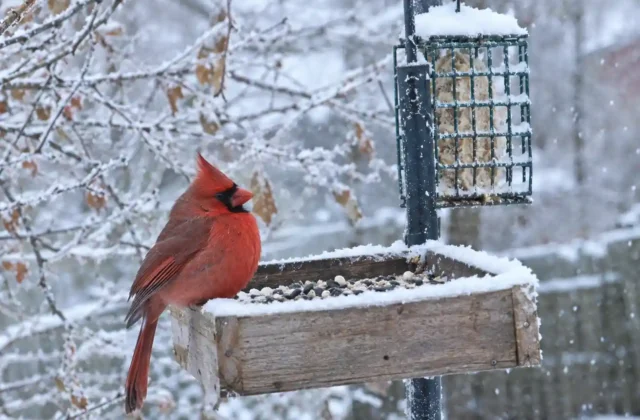
Winter Bird Feeding Guide: 9 Tips for Cold Months (2026)
Last updated: September 24, 2026 · 8 min read A first January with bird feeders teaches a humbling…
Read Article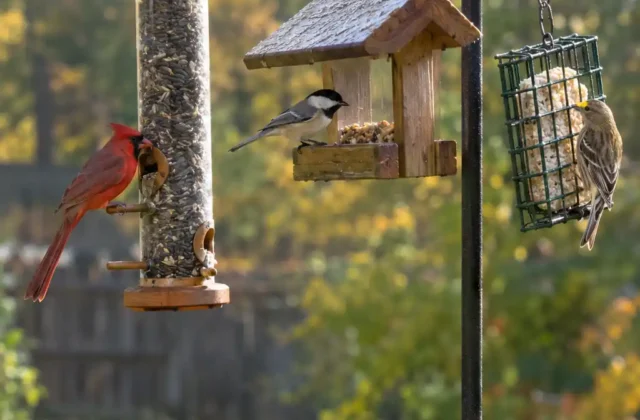
How to Feed Backyard Birds: Complete Beginner Guide (2026)
Last updated: September 24, 2026 · 9 min read Many beginners start with the cheapest mixed seed from…
Read Article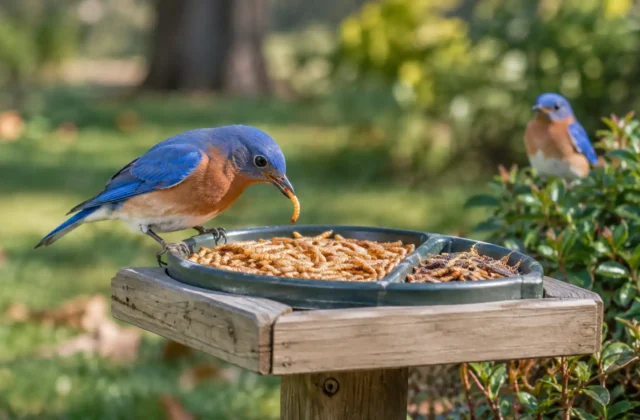
Best Mealworms for Backyard Birds: Live vs. Dried Guide
Last updated: September 24, 2026 · 7 min read The best mealworms for backyard birds are the missing…
Read Article