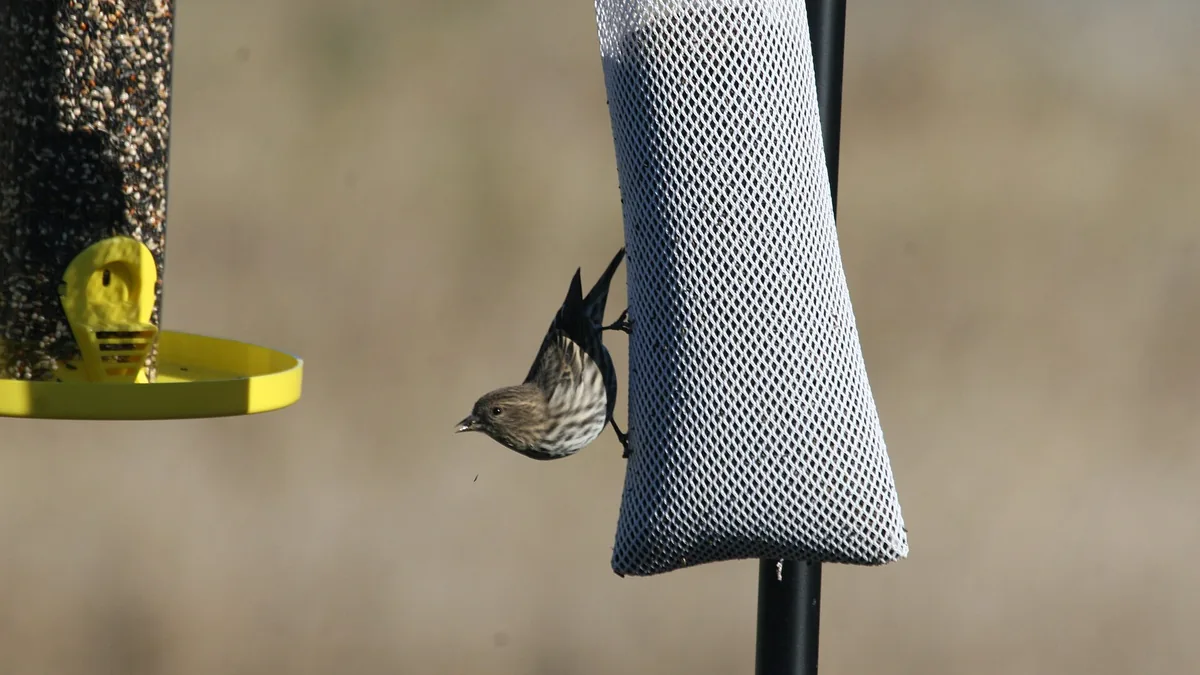
The pine siskin irruption 2026 forecast, in plain English
An irruption is what happens when seed crops fail up north: boreal finches pour south in numbers far beyond a normal winter. The Finch Research Network’s Winter Finch Forecast 2026–27 — Tyler Hoar’s 28th annual forecast, posted in late September — says poor cone crops across the central boreal will push finches into eastern Canada, the Great Lakes and Northeast, where very good cedar and white pine crops should hold a sizable irruption; a small to moderate flight to the Southeast is possible.
Caveat: with cone crops this good in the Northeast, many siskins will stay in the woods, not at feeders — the last great white pine crop (2023–24) kept them plentiful January into spring — expect a slow build peaking after the new year.
They’re already on the move
This is not just paper. Tadoussac, Quebec, has logged siskins in the hundreds; Hawk Ridge, Minnesota, several days over 1,000; flocks are pushing through the lower Susquehanna valley in the hundreds daily, 100+ already counted as far south as Kiptopeke State Park, Chesapeake Bay. Thanksgiving week is when most feeder owners notice them first — people home, watching the yard, as first hard frosts reach the Mid-Atlantic and Upper South. And if a flock finds your yard, it will not be one bird: siskins travel in dozens.
Siskin or goldfinch?
Most first sightings go like this: a small, heavily streaked brown bird appears at the nyjer feeder. Sparrow? Almost certainly a siskin — but in winter they feed beside American goldfinches, so here is the quick check (photos and calls: Audubon’s field guide).
| Clue | Pine Siskin | Goldfinch (winter) |
|---|---|---|
| Streaking | Heavy dark streaks all over | Plain buff-brown, barely streaked |
| Bill | Thin, sharply pointed | Short, stout, conical |
| Yellow | Yellow flashes in wings and tail | No yellow in winter plumage |
| Voice | Raspy, wheezy twitter | “po-ta-to-chip” call |
| Behaviour | Feisty, tame, hangs upside down | Steadier, smaller groups |
Set the table before the flock arrives
Siskins are nyjer specialists: a sock or silo feeder of fresh nyjer is the best invitation, black-oil sunflower chips in a tube feeder the backup, suet now and then. Three foods, offered well, beat a dozen offered badly — see the wider winter menu.
The mistake that costs people their siskins is stale nyjer: an oily seed that goes off fast — birds that loved it in October refuse it by December if the bag sat open in a damp shed. Buy small bags, keep them dry, swap seed often. A flock feeds by the dozens, so hang two nyjer feeders, or a long tube with several perches — siskins are feisty; latecomers get shut out. Set them near conifer or shrub cover (winter setup), keep water open (water in winter); Feeding Tools compares feeder types.
Skip milo-heavy mixes, which siskins ignore, and — this winter — the platform feeder: tube and sock feeders keep droppings out; a flat tray does the opposite.
The risk riding with the crowd
Big flocks in tight quarters spread disease; siskins are the classic case. A January 2026 study linked siskin irruptions to salmonella outbreaks for the first time: in winter 2020–21, an outbreak sent 14 people in Washington, Oregon and California to hospital, most tracing illness to a backyard bird feeder. (Audubon)
None of that means taking feeders down — it means running them clean: scrub weekly (cleaning guide), disinfect with 10% bleach monthly, rake up hulls and droppings, favour tube feeders over platform trays. If you see a puffed-up, lethargic bird that lets you walk up to it, take feeders down for two weeks, keep pets away, gloves for any dead bird, wash your hands. A healthy, noisy crowd at a clean feeder is what this winter is for.
Siskin-ready weekend
- Nyjer sock or silo feeder hung, fresh seed, not last winter’s bag
- Black-oil sunflower chips in a tube feeder
- Both feeders scrubbed clean before filling
- Water open — heated bath, fresh water daily
- Feeders near conifer or shrub cover
- FeederWatch account ready — count the first flock
If they never show up
It happens: the forecast favours the Northeast and Great Lakes, the woods may hold them all winter, and siskins are nomadic — a flock can vanish overnight. Check eBird. The setup is never wasted: the same nyjer and sunflower chips feed goldfinches, redpolls, chickadees all winter. Get the table ready now: November or January, yours is the yard they stop at.
Questions, answered
Will pine siskins come to my feeder this winter?
Best odds: the Northeast and Great Lakes, where a sizable irruption is forecast; a smaller flight may reach the Southeast. Many birds may stay in the forests — fresh nyjer in a sock or tube feeder plus sunflower chips give you the best chance.
How do I tell a pine siskin from a goldfinch?
Heavy dark streaking all over, thin pointed bill, yellow flashes in wings and tail. A winter goldfinch is plain buff-brown, short-billed, no yellow. Siskins arrive in noisy flocks and hang upside down.
What food do pine siskins like best?
Fresh nyjer in a sock or silo feeder is their favourite; black-oil sunflower seeds or chips in a tube feeder the backup. Buy small bags, keep it dry — stale nyjer is the top reason siskins ignore a feeder.
Do pine siskins carry salmonella?
They can spread it: crowded flocks are how salmonella moves between birds; a January 2026 study linked siskin irruptions to human outbreaks. Clean feeders weekly, disinfect monthly with 10% bleach; sick birds mean feeders down two weeks, and wash your hands.
When will the siskins arrive, and how long do they stay?
Already moving: Hawk Ridge counted 1,000+ in a day, flocks have reached Chesapeake Bay. Last comparable winter (2023–24), siskins were plentiful January into spring. Nomadic — they may vanish overnight.

Related Articles
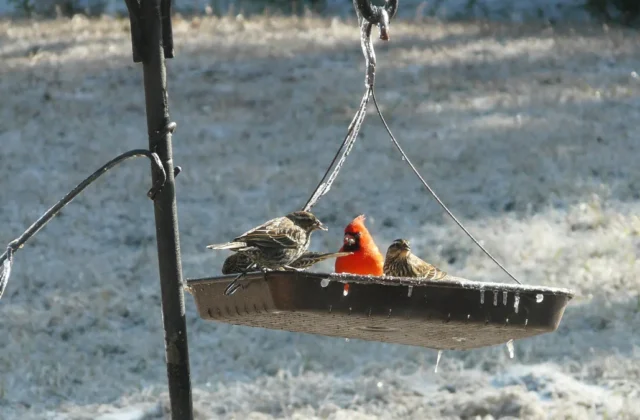
Join the Christmas Bird Count From Your Feeder
Join the Christmas Bird Count from your own feeder: find your circle, email the compiler, count one December…
Read Article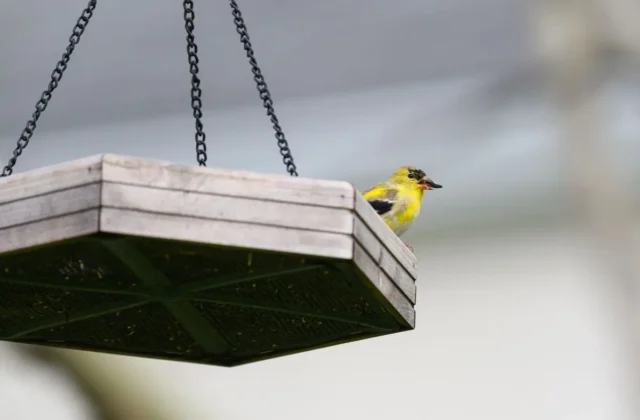
What Visits a Backyard Feeder in Early November
Short Answer: Early November is when the winter feeder crowd settles in. Cardinals, chickadees, goldfinches and blue jays…
Read Article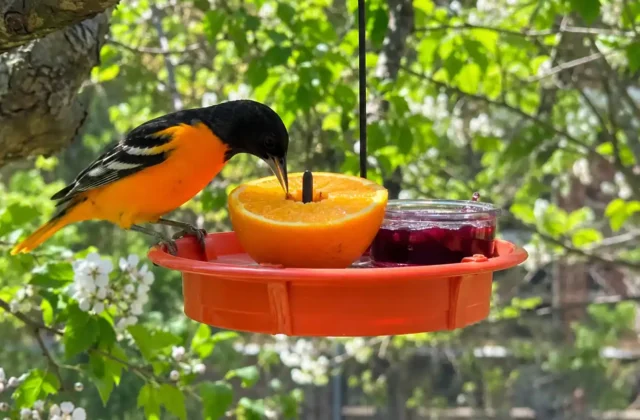
How to Attract Orioles to Your Backyard (Complete Guide)
Short Answer Set a dedicated bright-orange feeder out 1–2 weeks before orioles arrive in late April to mid-May,…
Read Article