Short Answer
Stop bird seed growing under your feeder by breaking one of the three things a spilled seed needs to sprout: viable seed, moisture, and soil contact. The fastest fix is switching to a no-mess blend of hulled sunflower hearts, safflower, and chopped nuts, and putting out only a day or two of seed at a time. Add a seed-catching tray under the feeder and rake the ground once a week, and the green carpet under your feeder mostly disappears. No single fix is a guarantee, so the routine below layers three together.
I first noticed it in a wet autumn: a neat ring of green shoots under my tube feeder. I had done nothing wrong on purpose, but three small things added up to a lawn of birdseed.
Why Spilled Seed Sprouts
A seed on the ground is not waste until it stays wet long enough to germinate. Three things have to line up: the seed is still alive, it sits on damp soil, and it stays there undisturbed. My feeder was giving it all three. Birds are picky, and I was feeding a cheap mixed blend, so they tossed the grains they did not want onto the lawn. I explain that habit in why birds throw seed out of the feeder, but the short version is that filler grains like milo, wheat, and oats are the ones that end up on the ground, and they sprout fastest.
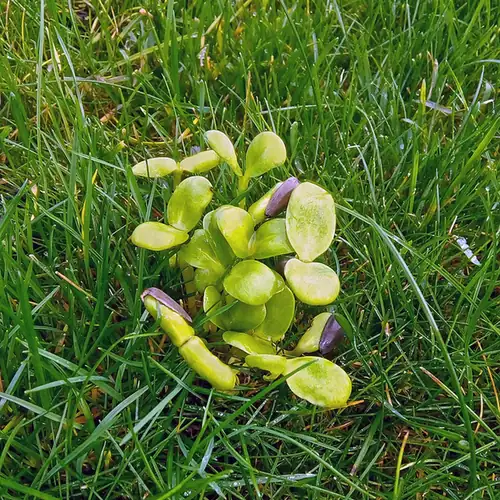
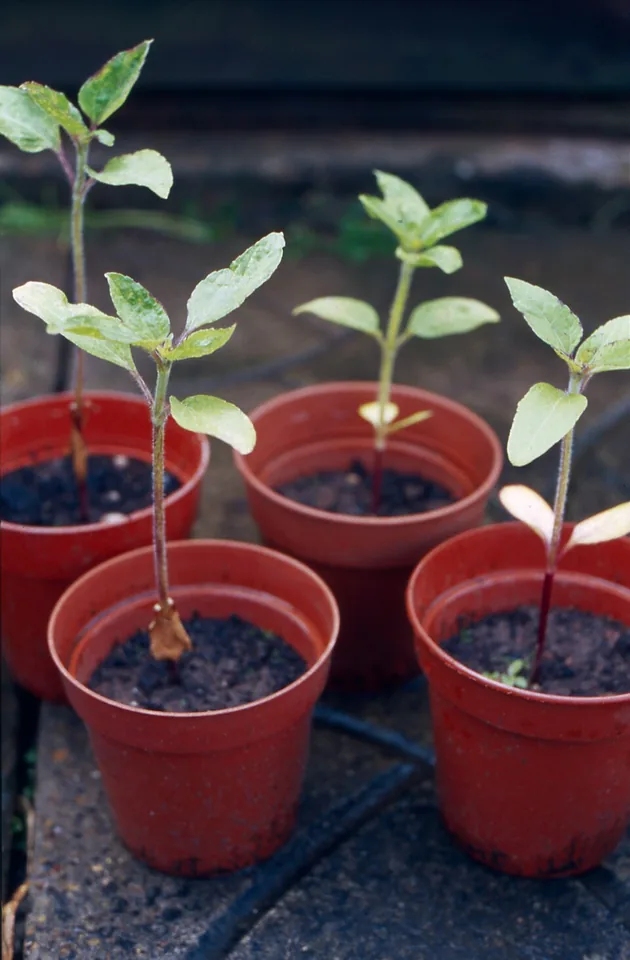
One odd detail: sunflower hulls contain a natural chemical that stops most other plant seeds germinating, so the ground under a sunflower feeder is often bare of grass, then suddenly full of sunflower shoots. Green shoots are not proof your seed is bad; they are a signal that seed is landing, staying wet, and sitting too long.
Four Fixes, Compared
| Fix | What it stops | Effort | Watch out for |
|---|---|---|---|
| Switch to no-mess seed (hulled sunflower hearts, safflower, chopped nuts) | Most sprouting, and the pile of hulls | Costs more per bag; no work after | Not a 100% guarantee, so keep seed dry too |
| Hang a seed-catching tray under the feeder | Seed reaching the soil | One purchase; empty every few days | A wet tray turns mouldy, so clean it like a feeder |
| Cover the ground (pavers, gravel, or mulch) | Soil contact, and makes sweeping easy | An afternoon of work; lasts for years | Seed still needs sweeping off the surface |
| Bake your seed before filling the feeder | Germination itself | Free, but 20 to 30 minutes per batch | Only worth it for small amounts; do not burn it |
Two sourced facts sit behind that table. Birds & Blooms experts Kenn and Kimberly Kaufman say chopped sunflower hearts will not germinate, imported Nyjer seed is usually sterilized, and baking seed in a layer less than an inch deep at 300°F for 20 to 30 minutes sterilizes a batch. BirdWatching magazine notes that since 2001 the USDA has required imported Nyjer seed to be heat-sterilized, 15 minutes at 120°C (248°F). My pick is the first row plus a tray: the only combination that fixed the problem without a weekly chore I would skip. Start with the best bird seed for backyard birds.
Which Spilled Seeds Sprout Fastest
Not all spilled seed is equally likely to turn into a green carpet. The filler grains in cheap mixes — milo, wheat and oats — are the worst offenders: few birds want them, so they land on the ground in large amounts, and they sprout fast in damp soil. Millet sprouts fastest of the seeds birds actually eat, which is why the patch under a millet-heavy feeder greens up first. Two seeds barely sprout at all: sunflower hearts will not germinate once the hull is off, and imported Nyjer seed has been heat-sterilized since 2001, so it almost never sprouts. (Birds & Blooms, Kaufman; BirdWatching on the USDA Nyjer rule.)
| Seed | Sprout risk if spilled | Why |
|---|---|---|
| Millet | Highest | Small, viable seed that germinates fast on damp soil |
| Milo, wheat, oats | High | Filler grains birds reject, so large amounts reach the ground |
| Whole sunflower | Medium | Sprouts readily, but hulls suppress grass around it |
| Sunflower hearts | Very low | No hull, no germination |
| Nyjer | Almost none | Heat-sterilized on import since 2001 |
Ground Cover: Pavers, Gravel or Mulch?
Covering the ground under the feeder is the one fix that lasts for years, but the material matters. Pavers or a patio slab are the best choice: seed sits on a hard surface, you can sweep it off in a minute, and nothing can germinate on stone. Gravel drains well and looks tidy, but spilled seed falls between the stones where you cannot sweep it, and it sprouts there anyway. Mulch is the worst of the three — it holds moisture against the seed and hides it, so shoots appear through the mulch all spring. Whatever you choose, rake up spilled grain and sunflower hulls in early spring, and store spare seed in secure metal containers in a cool, dry place, because damp seed grows mould that can be fatal to birds. (Audubon, 11 Tips for Feeding Backyard Birds)
My Weekly 5-Minute Routine
- Fill the feeder with only one or two days of seed. Oregon State University Extension gives the same rule for any feeder not protected from rain, because wet seed spoils and sprouts.
- Empty the seed tray into the bin, not onto the lawn.
- Rake the ground under the feeder, and pull small shoots while they are easy to lift.
- After rain, check for damp or clumped seed and tip out anything musty. My steps are in how I clean my bird feeders.
- Store spare seed sealed and dry, never in a damp bag on the ground. See how I store bird seed.
- Once a month, look at what is actually eaten. If the same grain keeps landing on the ground, stop buying mixes that contain it. Safflower is eaten happily and squirrels leave it alone (my safflower guide), and millet sprouts fastest when spilled (my millet guide).
Mistake to Avoid
Do not spray weedkiller on the shoots under your feeder. It feels like the quick fix, and it is the one I almost reached for. The spray lands where ground-feeding birds peck. Pull the shoots by hand while they are small, and fix the seed instead of the weeds. The second mistake causes the first: filling the feeder to the brim so you can forget it for a week. A full feeder in wet weather is a slow sprouting tray.
Seasonal Note
Autumn is peak sprouting season: mild days, steady rain, and bare soil after summer. That is when this routine matters most. In deep winter the problem mostly pauses, because frozen ground stops germination, but wet seed in a tray can still turn mouldy, so keep emptying it. In spring, do one proper clean-up under the feeder before the growing season starts. A feeder over a patio or paved patch skips most of this entirely.
Frequently Asked Questions
Will no-mess bird seed stop sprouting completely? Almost, but not absolutely. Hulled and chopped seeds are far less likely to sprout than whole seed, and Nyjer is heat-sterilized, but keeping seed dry and off the soil matters just as much as which seed you buy.
Can I bake bird seed to stop it sprouting? Yes. Spread it less than an inch deep and bake at 300°F for 20 to 30 minutes, without burning it. It suits small batches, not a whole winter of feeding.
Does Nyjer seed sprout under feeders? Almost never. Imported Nyjer has been heat-sterilized since 2001.
Should I use weedkiller under my bird feeder? No. Birds feed on the ground there, so pull shoots by hand and fix the seed and the tray instead.
Why is the ground under my feeder bare of grass? Sunflower hulls contain a natural chemical that stops most other plant seeds germinating, so the patch is often bare, then full of shoots.
Is sprouted seed dangerous to birds? The shoots themselves are not the problem — mouldy seed is. Audubon warns that uneaten seed can become soggy and grow deadly mould, so the seed you sweep up is worth more than the shoots you pull.
Check your seed bag with the Seed Bag Checker in Feeding Tools — the wrong mix is usually what sprouts.
Further reading: Birds & Blooms, How to Keep Birdseed From Sprouting in Your Garden (Kaufman on baking seed, sunflower hearts, and sterilized Nyjer) and BirdWatching, 14 Tips to Keep Bird Seed From Sprouting on Your Lawn (the USDA Nyjer rule and the sunflower-hull note). Oregon State University Extension, Feed Wild Birds (EC 1554) (archival copy via OSU Libraries), advises one or two days of food when a feeder is not protected from rain, and a tray under the feeder.
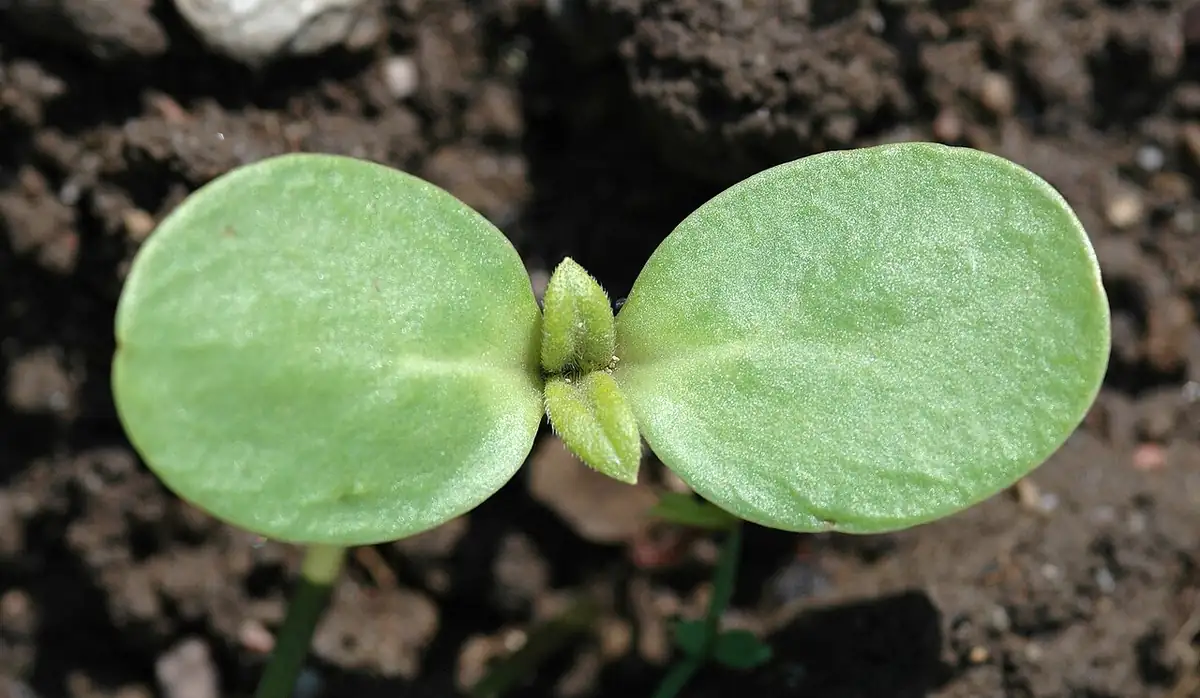
Photo: a sunflower seedling sprouting, by Amada44, public domain, via Wikimedia Commons.
Related guides: Why Do Birds Throw Seed Out of the Feeder? (And How to Stop It) · How to Clean Bird Feeders: 7 Easy Steps (2026)

Related Articles
How to Join Project FeederWatch: Count the Birds at Your Feeder This Winter
Project FeederWatch's 40th season runs 1 Nov 2026-30 Apr 2027. Join for $18, count birds at your feeder…
Read Article
How to Feed Birds While You’re on Vacation
Your birds won't starve while you're away — feeders are only about a quarter of their winter diet.…
Read Article
How to Stop Birds Fighting at Your Feeder
One feeder is one territory, so one bully bird can own it. Spread two or three different feeders…
Read Article