Short Answer
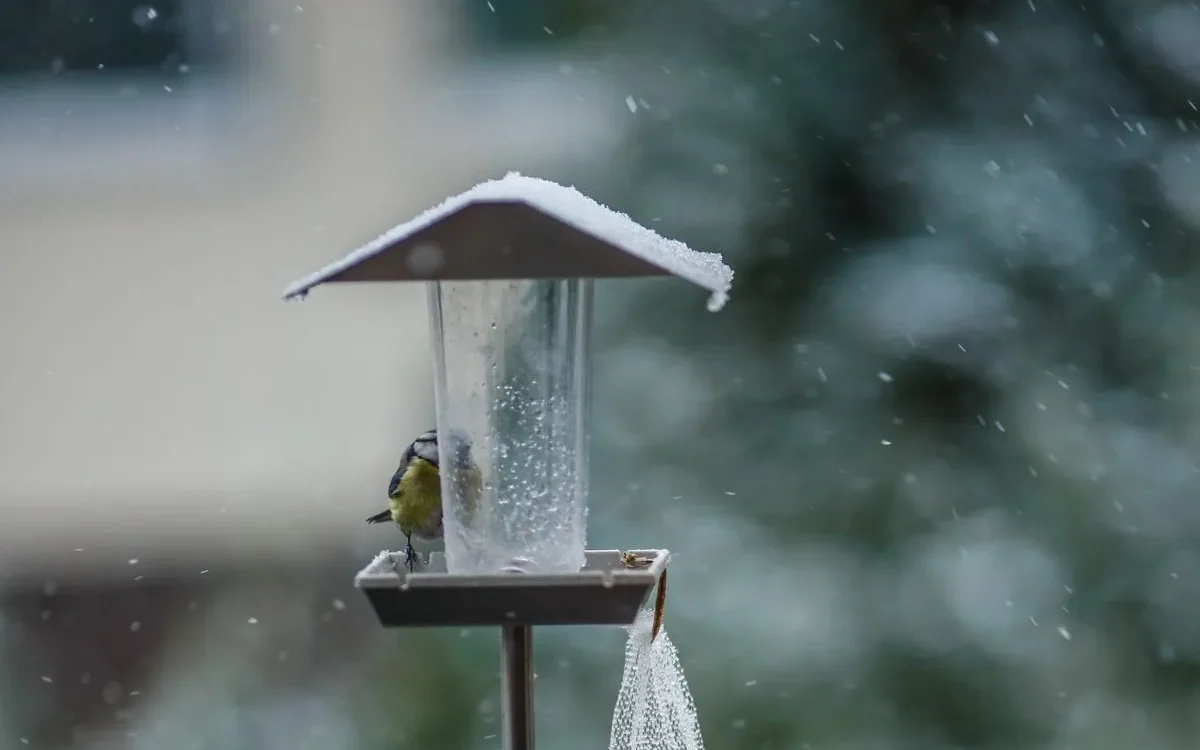
Birds fight at a feeder because one feeder is one territory. A single feeder gives a dominant bird one small patch to guard, so smaller birds get chased off. The fix is not a bigger feeder. It is two or more feeders of different types, spread out so no bird can watch them all, plus regular cleaning so the crowd does not spread disease.
The Morning One Bird Owned My Feeder
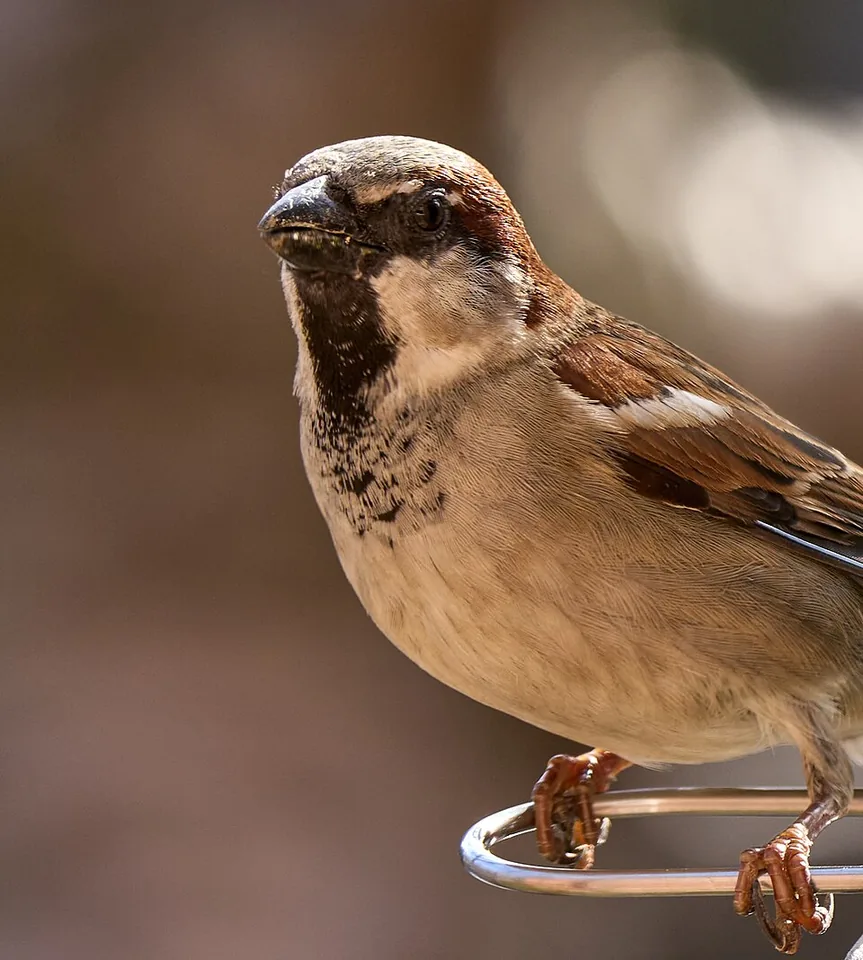
Last winter, one house sparrow decided my tube feeder was his alone. Every chickadee that landed got dive-bombed. Every finch at the lower port got chased into the fence. The feeder was full of seed, so food was not the problem. Space was. He could see the whole feeder from one perch, and he defended all of it.
That is the pattern behind most feeder fights. The problem is rarely hunger. It is that we hang one feeder, in one spot, and ask twenty birds of different sizes and tempers to share it politely.
Why Birds Fight at a Feeder
One feeding point. A single feeder can be watched by a single bird. When every species must use the same ports and perches, the boldest bird wins and the timid ones wait in the shrubs, or leave.
Mixed body sizes. A platform feeder that suits a robin is a billboard for a chickadee: exposed, with nowhere to tuck in. Small birds feed safest on tube feeders with short perches, where a larger bird cannot easily land and block them.
Cold mornings. In winter, birds feed hardest at dawn, after a night of burning energy just to stay warm. The Cornell Lab notes that small birds can lose up to ten percent of their body weight on one freezing night, which is why the first hour of daylight is a feeding rush.
The Fixes That Actually Work
Add a second feeder of a different type. Do not copy the same feeder twice. Pair a tube feeder for small birds with a platform feeder for larger species, and hang a suet cage at a different height for the clinging birds. Different styles serve different feeding habits, so each group gets a place that suits it.
Spread the stations out. Two feeders side by side are still one territory. Separate them across the yard, ideally where a shrub, fence, or corner of the house breaks the line of sight between them. A bully bird cannot guard food he cannot see. There is no single magic distance that works in every yard, so start with the farthest apart your garden allows.
Protect the small birds. A caged tube feeder lets finches and chickadees feed while larger birds cannot reach the ports. Short perches help too. You are not excluding bigger birds from your yard, only from one feeder, and they still have the platform feeder.
Clean more often when it is crowded. The National Audubon Society recommends cleaning feeders with nine parts water to one part bleach, and Project FeederWatch advises cleaning seed feeders about every two weeks, doubling the frequency if you suspect disease. Audubon adds that multiple feeders help prevent disease, because birds are not all touching the same ports.
The Usual Bullies — and the Usual Victims
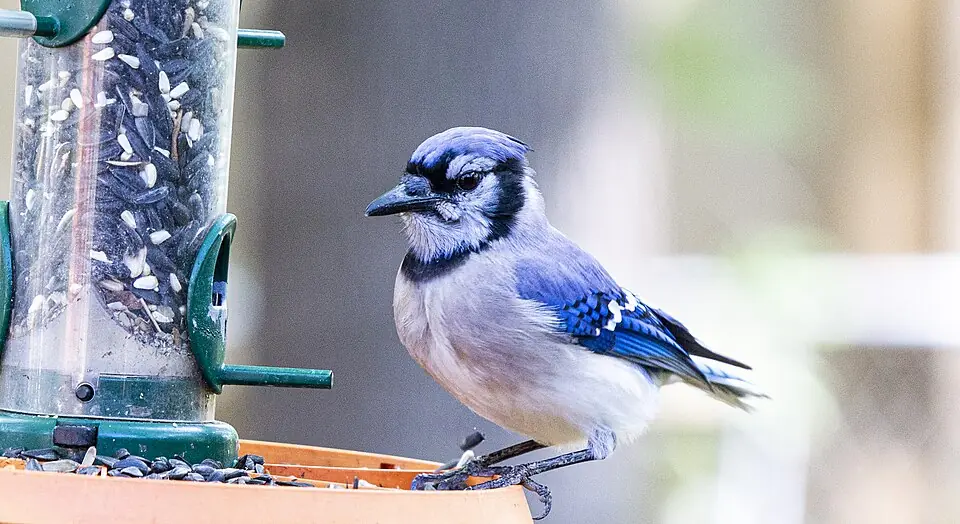
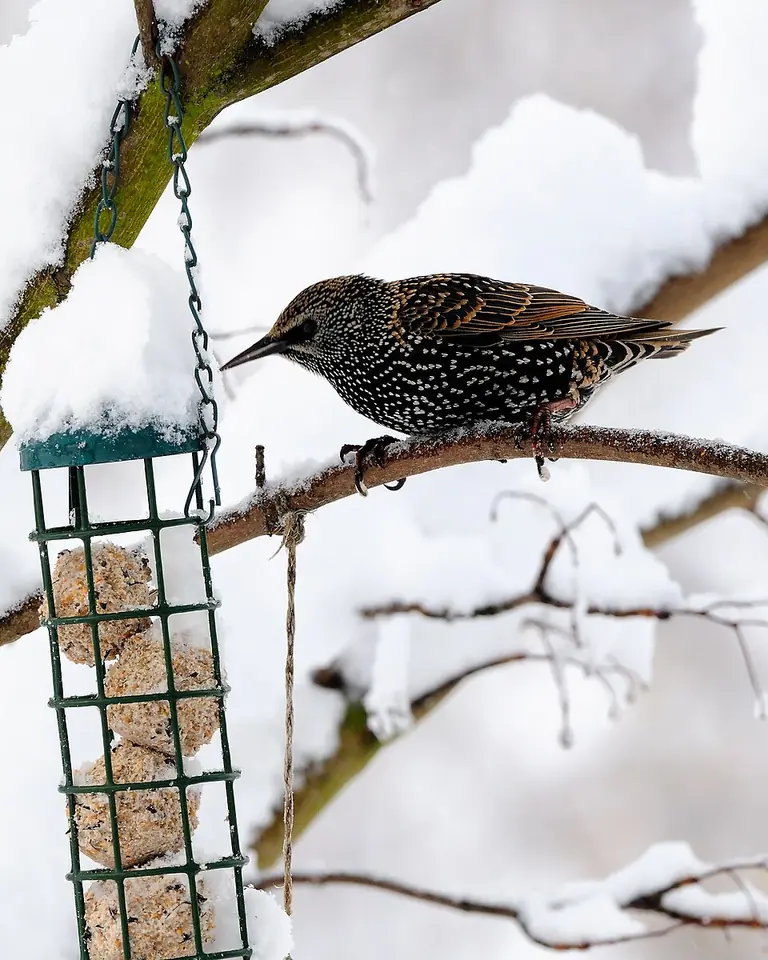
Most feeder fights have the same cast. House sparrows, starlings, jays and grackles are the bold ones: bigger, louder, and happy to sit on a feeder and dare anyone else to land. Chickadees, finches, nuthatches and titmice are the timid ones — they feed fast, grab one seed, and leave, because they cannot win a standoff. Audubon’s feeding guidance points out that different birds feed at different levels: sparrows, juncos and towhees feed on the ground, finches and cardinals feed in shrubs, and chickadees, titmice and woodpeckers feed in trees. Spread the food across levels — a low platform for the ground birds, a tube feeder at shrub height, suet well off the ground — and each group gets a place that suits it, instead of one prize worth fighting over. (Audubon, 11 Tips for Feeding Backyard Birds)
Feeder Height and Sightlines
Height and sightlines do as much work as distance. Hang the tube feeder with short perches, so a large bird cannot easily land and block the ports. Put the platform feeder lower, near the shrubs, for the ground-feeding birds. Hang suet well off the ground, at least five feet up, where woodpeckers, nuthatches and chickadees feed comfortably and dogs cannot reach it. Then break the line of sight: a shrub, a fence panel or the corner of the house between two stations means the bully bird cannot watch both at once.
When Fighting Signals Disease
Most chasing is normal. What is not normal is a bird that sits puffed up and still for hours, has crusty or swollen eyes, or lets you walk close to it. Sick birds crowd the same ports as healthy ones, and a crowded feeder spreads disease fast. If you see a sick bird, take the feeders down for a week or two, clean them with nine parts water to one part bleach, rake up the spilled seed below, and only refill when the sick birds have moved on. (Audubon, Three Easy Ways to Keep Your Bird Feeder Disease-Free)
| Problem you see | What to do | Why it works |
|---|---|---|
| One bird chases everyone off | Second feeder, different type, another corner | He cannot guard what he cannot see |
| Big birds block the small ones | Caged tube feeder, short perches | Large birds cannot reach the ports |
| Fighting peaks at dawn in winter | Fill feeders the evening before; add a platform feeder | More spots for the morning crowd |
| Many birds crowd one feeder all day | Spread tube, platform and suet stations | Each feeding style gets its own place |
| Sick-looking birds at the feeder | Clean 9:1; tidy spilled seed below | Less droppings and mould to spread disease |
The Mistake I Made: Buying a Bigger Feeder
My first fix was wrong. I replaced my tube feeder with one big combo feeder, thinking more seed and more ports would end the arguments. It made things worse. The same sparrow sat on top of the big feeder and owned an even larger territory. More food in one place just raised the value of the patch he was defending. The arguments only stopped when I split the food across two smaller feeders in different corners of the yard.
A November Note
November is when this matters most. Flocks are moving through, resident birds are settling into winter territories, and the first hard freezes turn dawn into a feeding rush. If your feeder turns into a boxing ring in November, do not wait for spring to rearrange it. Set up the second station now, and the winter crowd will sort itself across both. My guide on how to help birds in a winter storm covers what to stock for the coldest days.
Feeder-Peace Checklist
Run through this once:
- At least two feeders, of different types (tube plus platform or suet)
- Stations separated across the yard, out of each other’s line of sight
- A caged or short-perch feeder where small birds can feed undisturbed
- Feeders filled the evening before a cold night, ready for the dawn rush
- Feeders cleaned about every two weeks with 9 parts water to 1 part bleach
- Spilled seed and hulls tidied from below the feeders regularly
- Placement (guide) and best bird food for winter checked
Frequently Asked Questions
Is fighting at a bird feeder normal?
Yes, some chasing is normal, especially in winter. It becomes a problem when one bird excludes all others for long periods, or when sick birds crowd the same ports.
Will adding more feeders really stop the fighting?
It reduces it, because no bird can guard two or three stations at once, especially out of sight of each other. Audubon notes multiple feeders also lower disease risk.
How far apart should multiple feeders be?
There is no single distance that works in every yard. Put them as far apart as your garden allows, and use shrubs, fences, or the house itself to break the line of sight between stations.
Should I remove the aggressive bird?
No. Do not chase, trap, or harm the bully bird, and do not take all the feeders down to punish him. Change the setup instead: different feeder types, stations out of sight of each other, and a protected feeder for small birds.
Do hummingbirds need the same fix?
Hummingbirds guard nectar feeders fiercely. For them, use several small nectar feeders placed out of sight of one another, rather than one large one.
Do starlings fight more in winter? Yes — starlings travel in big winter flocks and can empty a platform feeder in minutes. A caged feeder and safflower seed, which starlings largely ignore, take the worst of it out of the problem.
Plan the setup with the Feeding Tools planner.
Related guides: How to Keep Large Birds Away From Bird Feeders (Redesign, Don’t Chase) · How to Keep Starlings Away From Bird Feeders (A Flock-Behaviour Guide)

Related Articles
How to Join Project FeederWatch: Count the Birds at Your Feeder This Winter
Project FeederWatch's 40th season runs 1 Nov 2026-30 Apr 2027. Join for $18, count birds at your feeder…
Read Article
How to Feed Birds While You’re on Vacation
Your birds won't starve while you're away — feeders are only about a quarter of their winter diet.…
Read Article
How to Stop Bird Seed Growing Under Your Feeder
Spilled seed sprouts when it stays viable, wet, and on soil. Switch to no-mess seed, catch it with…
Read Article