The newcomers will announce that winter has arrived
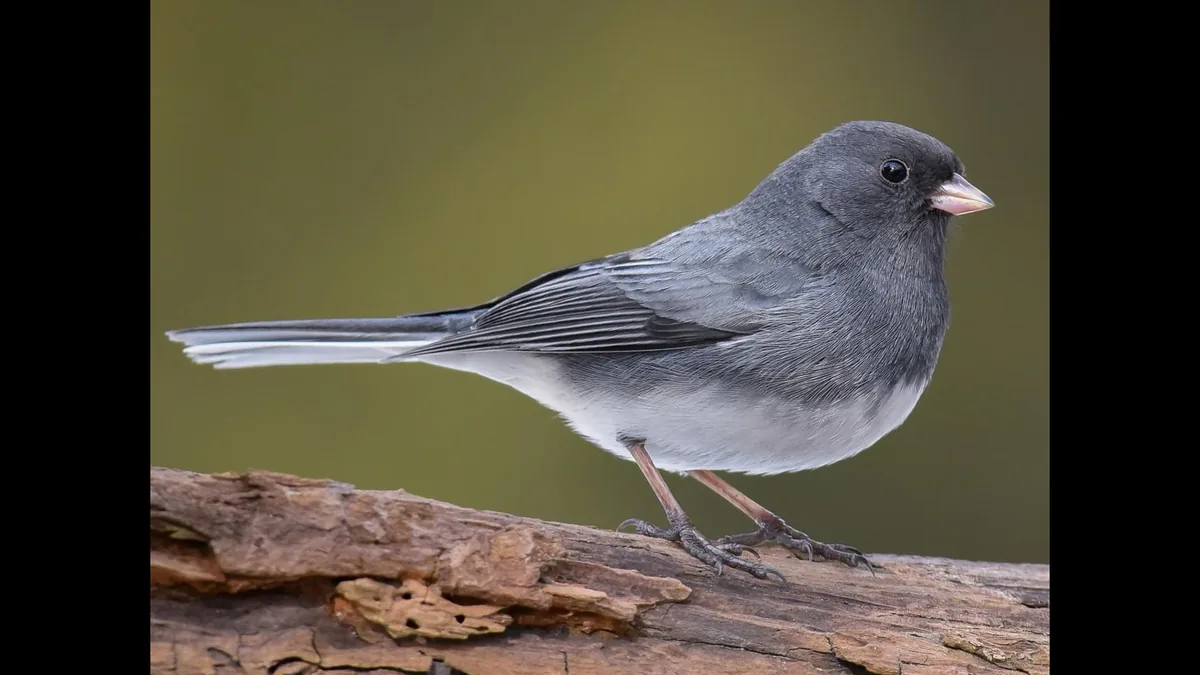
The birds at feeder in November will start arriving with the junco. The first junco will show up under the feeder, not on it — slate-gray, white belly, pale pink bill, hopping on the ground and flashing white outer tail feathers in flight. Cornell’s name for them will be the “snowbirds” of the middle latitudes. About 75% of a junco’s year-round diet will be seeds, so it will come for the small seed you scatter — white millet first. (Cornell Lab, All About Birds: Dark-eyed Junco)
The white-throated sparrows will arrive with them, scratching under the shrubs. You will know one by its white throat patch and the yellow spot by its bill. They will feed on the ground like the juncos, taking spilled millet and cracked corn.
The Finch Research Network forecast will put a sizeable flight in the Northeast and the Great Lakes this winter, and the pine siskins will arrive in flocks straight for the nyjer feeder. They will look like streaky, smaller goldfinches with yellow in the wings, and they will empty a fresh nyjer sock fast. Our Pine Siskin Irruption 2026–27 guide will carry the full forecast.
The regulars will get hungrier and bolder
The goldfinches will not have left. They will have molted — twice a year, a habit no other finch will share — and the summer males will now wear olive-brown winter feathers. They will still crowd the nyjer feeder.
The northern cardinals will get bolder as the natural food thins. The males will glow against the bare branches, and the females will come in soft brown with red edges. They will take sunflower seed from the hopper and the tray.
The chickadees and nuthatches will travel in mixed winter flocks, with the downy woodpecker tagging along. The chickadees will carry one sunflower seed at a time to a branch. The nuthatches will wedge seeds into bark cracks, and the woodpeckers will work the suet more as insects hide under the bark.
Birds at feeder in November: your late-November feeder table
| Bird | First sign | What it will eat | Where to offer it |
|---|---|---|---|
| Dark-eyed junco | Gray bird under the feeder | White millet, cracked corn | Ground, low tray |
| Pine siskin | Streaky flock at nyjer | Fresh nyjer, sunflower chips | Nyjer sock |
| American goldfinch | Olive-brown flocks at nyjer | Nyjer, sunflower hearts | Nyjer sock |
| Northern cardinal | Red males at dawn | Sunflower seed, safflower | Hopper or tray |
| Black-capped chickadee | One seed at a time | Sunflower, suet crumbs | Tube or hopper |
| Downy woodpecker | Working the suet cage | Suet, peanuts | Suet cage, tail prop |
What the first frost will change
The first hard freeze will reach the Mid-Atlantic and Upper South in mid-November to early December (NOAA 1991–2020 normals): New York City 14–27 November, Atlanta 13 Nov–1 Dec, Dallas ~23 November, Baton Rouge ~26 November. (Farmers’ Almanac, first hard-freeze dates by state) Thanksgiving will fall on Thursday 26 November, in the middle of that wave.
The frost will change three things. The ground feeders will need food scattered before dark, because the ground birds will feed at dusk. The birdbath will need fresh water every day — a frozen bath will stay frozen — and you will follow the RSPB’s October 2026 guidance: change the water daily and disinfect the bath at least once a week. (RSPB, How to help garden birds) And the suet will need to be fresh: a stale cake will fail the woodpeckers when they will need it most.
The mistake that will empty your feeder over Thanksgiving
The most common late-November mistake will be the holiday empty feeder. Families will travel for Thanksgiving and leave the feeders to run dry, and the birds will move to a neighbour’s full feeder — and not all will return. You will fill everything on Wednesday 25 November, and a neighbour will top up the suet if you will be away past the weekend.
Your Thanksgiving-week feeder check
- You will fill every feeder on Wednesday 25 November — seed, suet and nyjer.
- You will scatter white millet on the ground for the juncos.
- You will empty the nyjer sock, rinse it, and refill it fresh.
- You will hang a fresh suet cake for the woodpeckers and chickadees.
- You will change the birdbath water daily through the first freeze.
- You will scrub each feeder once this week, following the RSPB’s October 2026 weekly rule — the routine will be in our cleaning guide.
You will find the full winter setup in How to Prepare Your Bird Feeder for Winter and Best Bird Food for Winter. The Feeding Tools page will match foods to the birds you will see, and Project FeederWatch will run until 30 April 2027.
What December will bring
December will bring the shortest days of the year and the Christmas Bird Count from 14 December. You will set your feeders this week, and the birds that will find them full will stay all winter. You will find the count details in our Christmas Bird Count feeder-watcher guide.
Frequently asked questions
Which birds will visit my feeder in late November?
Juncos, sparrows and siskins will arrive, while goldfinches, cardinals, chickadees, nuthatches and woodpeckers will visit more often.
Will the goldfinches have left?
They will just look different. Goldfinches will molt twice a year, a habit no other finch will share, and the summer males will wear olive-brown winter feathers.
What will the juncos eat?
They will eat small seed on the ground, white millet first — about 75% of a junco’s diet will be seeds, according to Cornell.
Will I need to change anything when the first frost arrives?
Yes — three things. You will scatter ground food before dark, change the water daily, clean the feeders weekly.
Will the pine siskins reach my feeder this year?
Where the 2026–27 irruption will reach, they will arrive in flocks for fresh nyjer. If the siskins will skip your yard, your feeder will still be ready for the goldfinches and chickadees that will come instead.

Related Articles
Pine Siskin Irruption 2026–27: Essential Feeder Prep
A sizable Pine Siskin irruption is forecast for winter 2026–27 and flocks are already moving. Fresh nyjer, sunflower…
Read Article
Join the Christmas Bird Count From Your Feeder
Join the Christmas Bird Count from your own feeder: find your circle, email the compiler, count one December…
Read Article
What Visits a Backyard Feeder in Early November
Short Answer: Early November is when the winter feeder crowd settles in. Cardinals, chickadees, goldfinches and blue jays…
Read Article