
Last updated: September 25, 2026 · 8 min read
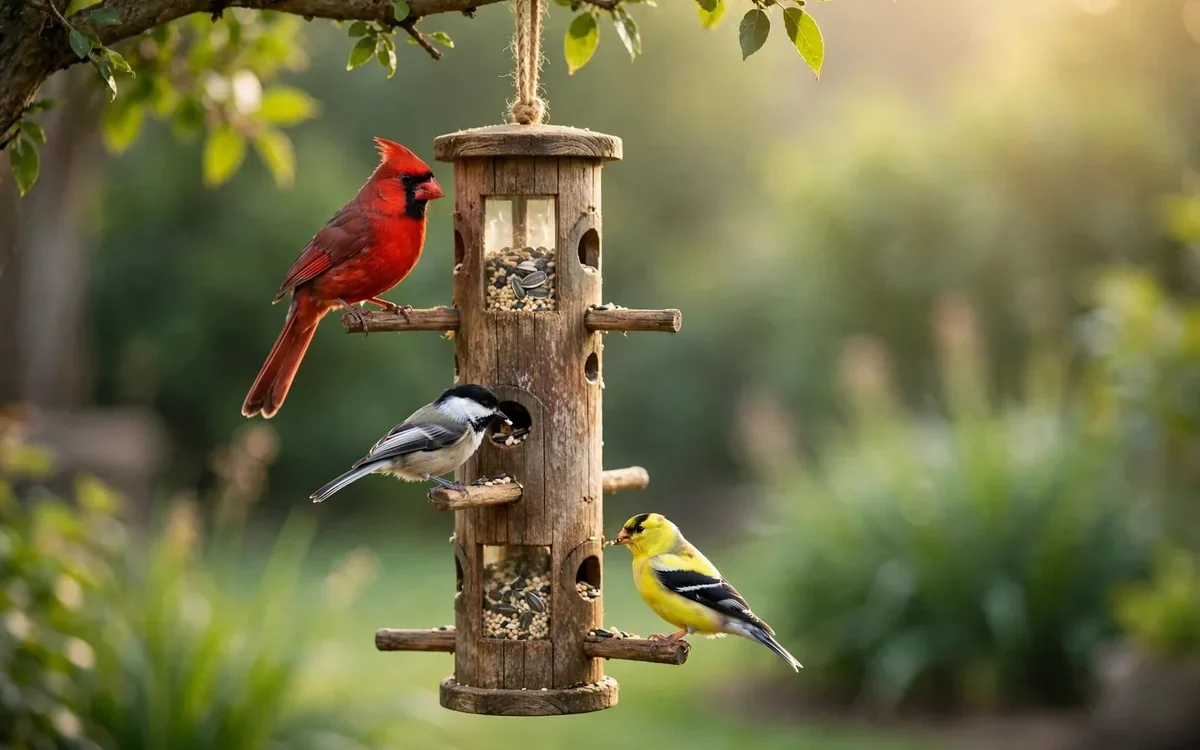
Birds not coming to your feeder ?For the first two weeks after I hung my first feeder, the only visitor was a squirrel with an attitude problem. I was convinced I’d done everything wrong. Turns out I was mostly just impatient — but along the way I learned every genuine reason feeders get Birds not comingBirds not comiignored, because I managed to commit nearly all of them. Work tIf birds are not coming to your feeder, you’re not alone. hrough this list in order; the fix is usually simpler (and cheaper) than you think.
Disclosure: Bird Feedly is reader-supported. When you buy through links on our site, we may earn an affiliate commission at no extra cost to you.
Reason 1: It’s Just Too New (Give It 2–4 Weeks)
The #1 reason, by a mile. Birds find new food sources by watching other birds eat — the first visitor is the hardest to get, and every visitor after makes the next one likelier. Two to four weeks of being ignored is completely normal.
The fix: Patience, plus consistency. Keep the feeder filled during the discovery period — an empty feeder teaches passing birds your yard isn’t a reliable stop. If it’s been under two weeks, you don’t have a problem yet. You have a waiting period.
Reason 2: The Seed Is Stale, Moldy, or Just Bad
Birds can see and taste what we can’t. Seed that’s been sitting in a damp feeder grows mold (sometimes invisible), turns rancid, or simply goes stale — and birds will reject the whole feeder over it. The classic culprit: the cheap mixed bag full of red milo filler that birds never wanted in the first place.
The fix: Dump everything, scrub the feeder, and refill with fresh black-oil sunflower seed — the single most universally accepted seed per the Cornell Lab. Store seed in airtight metal containers and never buy more than a month or two’s supply. Full guidance: switching to better seed.
Reason 3: The Feeder Is Dirty
Would you eat off a plate that hadn’t been washed in months? A grimy feeder with caked droppings, moldy corners, and sour old seed repels birds — and worse, it can spread salmonella and trichomonosis among the brave ones that do visit.
The fix: A proper clean — hot soapy scrub, 10-minute soak in 1:9 bleach solution, thorough rinse, complete air-dry. Then get on a schedule: every 1–2 weeks. Our full protocol: cleaning your feeders.
Reason 4: The Placement Scares Them
Remember the bird’s one question: can I eat without being eaten? Feeders fail this test when they’re:
- In the wide open with no cover within 10–12 feet (my original mistake)
- Buried in dense shrubs where cats ambush (cover too close is as bad as none)
- In a high-traffic zone — next to the dog’s patrol path, the kids’ play area, or a slamming door
The fix: Run through our feeder placement guide — 10–12 feet from escape cover, 5 feet high, in a quiet corner. Placement alone resolves a huge share of “ignored feeder” cases.
Reason 5: A Predator Is Working Your Yard
If birds used to come and suddenly stopped, suspect a hawk — not your seed. Cooper’s and sharp-shinned hawks learn feeder locations and hunt them regularly. The songbirds aren’t gone; they’re hiding until the danger passes, sometimes for days.
Outdoor cats have the same effect at ground level. A neighborhood cat that stakes out your feeder area will suppress visits for as long as it patrols.
The fix: For hawks — nothing, honestly. It’s nature, it’s temporary, and the birds will return when the hawk moves on. Make sure there’s dense cover nearby so they can hide. For cats — keep feeders 10+ feet from ambush cover, and if it’s your own cat, consider keeping it indoors (cats kill billions of birds yearly; indoor cats live longer too).
Reason 6: You’re Competing With Nature’s Buffet
In late summer and fall, the woods are loaded — berries, seeds, insects everywhere. Your feeder is competing with an all-you-can-eat natural buffet, and it’s losing. This is the most misunderstood reason: an ignored feeder in October is not a failure. The same feeder will be mobbed in January.
The fix: Keep it filled anyway. Birds sampling fall abundance still note reliable feeders, and they’ll switch to you the moment natural supplies crash. Think of fall as advertising for winter.
Reason 7: No Water Nearby
Here’s the one most troubleshooting guides miss: many birds — especially insect-eaters and fruit-eaters that don’t visit seed feeders at all — come to yards for water. A yard with seed but no water is half an invitation.
The fix: Add a simple birdbath — shallow (2–3 inches), with a rough surface for grip, water changed every 2–3 days. In my experience, adding water pulls in species that never touched my feeders.
Reason 8: Squirrels (or Other Bullies) Own the Feeder
If squirrels empty your feeder daily, smaller birds learn it’s not worth the chaos and stop trying. Same goes for a flock of grackles or starlings monopolizing everything — or a single territorial mockingbird running the whole station.
The fix: For squirrels, our squirrel-proofing guide — the 10-foot rule plus baffles solves most cases. For bully birds, switch to feeders they can’t use: tube feeders with small perches exclude grackles; safflower seed is loved by cardinals but shunned by squirrels and most blackbirds.
Reason 9: You Moved It (or Changed Something)
Birds are creatures of habit and mildly neophobic — they distrust changes. Moved the feeder three feet? Switched seed brands? Hung a shiny new baffle? Expect a few days to a couple of weeks of suspicion while they re-verify the situation is safe.
The fix: Change one thing at a time, and give each change the standard 2–4 week evaluation window before judging it.
Birds Not Coming to Your Feeder: Quick-Fix Checklist
| Symptom | Most likely cause | Fix |
|---|---|---|
| New feeder, <2 weeks, no visitors | Too new | Wait; keep it filled |
| Feeder ignored, seed looks old | Stale/moldy seed | Dump, scrub, fresh black-oil sunflower |
| Grimy feeder, few visitors | Dirty feeder | Full clean + schedule |
| Feeder in open lawn or deep shrubs | Bad placement | 10–12 ft from cover, quiet corner |
| Birds vanished suddenly | Hawk or cat | Provide cover; wait it out |
| Ignored in fall, was busy before | Natural food abundance | Keep filled; winter is coming |
| Seed-eaters only, want more species | No water | Add a birdbath |
| Emptied daily, birds scared off | Squirrels/bullies | Baffles; selective feeders/seeds |
| Ignored right after a change | Neophobia | One change at a time; wait 2–4 weeks |
When to Actually Worry
Almost never, in the short term. But do act if you see sick birds (puffed up, lethargic, crusty eyes, or seed stuck to faces) — take all feeders down for two weeks, disinfect everything, and report to your local wildlife agency. And if a feeder has been perfectly maintained, well-placed, and filled with fresh seed for 6+ weeks with zero visitors, something structural is wrong — usually placement or a resident predator — and it’s worth a full reset using our complete beginner’s guide.
Birds Not Coming to Your Feeder: FAQs
How long does it take for birds to find a new feeder?
Typically 2–4 weeks. Birds discover feeders by watching other birds, so the first visitor is the hardest to attract. Keep the feeder consistently filled during this period — an empty feeder teaches birds your yard isn’t reliable.
Why did birds suddenly stop coming to my feeder?
The most common cause is a predator — usually a Cooper’s or sharp-shinned hawk hunting the area. The songbirds are hiding, not gone, and typically return within days once the hawk moves on. Other sudden causes: the seed went stale, the feeder got dirty, or a cat started patrolling.
Does the type of seed affect whether birds come?
Enormously. Cheap mixed seed full of red milo filler gets ignored and rots. Black-oil sunflower seed is accepted by the widest range of species (per the Cornell Lab of Ornithology) and is the best single choice for attracting birds to a new or struggling feeder.
Will birds come if I only put the feeder out sometimes?
Unreliably. Birds build daily foraging routes around dependable food sources. An inconsistently filled feeder gets dropped from the route. If you can’t commit to regular refills, it’s better to take the feeder down cleanly than to run it sporadically.
Do birds avoid new feeders because they’re scared?
Mildly, yes — birds are neophobic and suspicious of changes. A moved feeder, new baffle, or different seed brand can cause a few days to two weeks of avoidance. Make one change at a time and evaluate over 2–4 weeks before concluding it failed.
Can birds smell birdseed from far away?
No — most backyard songbirds have a very weak sense of smell and locate food almost entirely by sight. A feeder hidden behind a fence won’t be discovered by smell, no matter how good the seed is. Keep the feeder visible from the air and from perches where scouting birds sit.
How can I attract birds to a new feeder faster?
Four things speed up discovery: fill it with black-oil sunflower seed (the most attractive single seed), scatter a little seed on the ground beneath it as a visible trail, add a birdbath nearby for water, and keep everything consistently filled. Most feeders following this formula see their first visitors within 1–2 weeks instead of a month.
If birds are still not coming to your feeder after trying these fixes, remember that seasonal shifts affect every yard — the Cornell Lab’s All About Birds and the National Audubon Society both note that patience through fall pays off when natural food dwindles in winter.
Keep Reading

Related Articles
How to Keep Starlings Away From Bird Feeders: 7 Proven Tips (2026)
Nothing empties a bird feeder faster than a flock of European starlings. One minute your tube feeder is…
Read Article
How to Keep Deer Away From Bird Feeders: 7 Proven Ways (2026)
One October morning, coffee in hand, you walk to the back window expecting the usual rush of chickadees…
Read Article
When to Take Down Hummingbird Feeders: 7 Smart Rules (2026)
Every September, I find myself standing at the kitchen window, coffee in hand, staring at my hummingbird feeder…
Read Article