Read the Surge Before You Read the Forecast
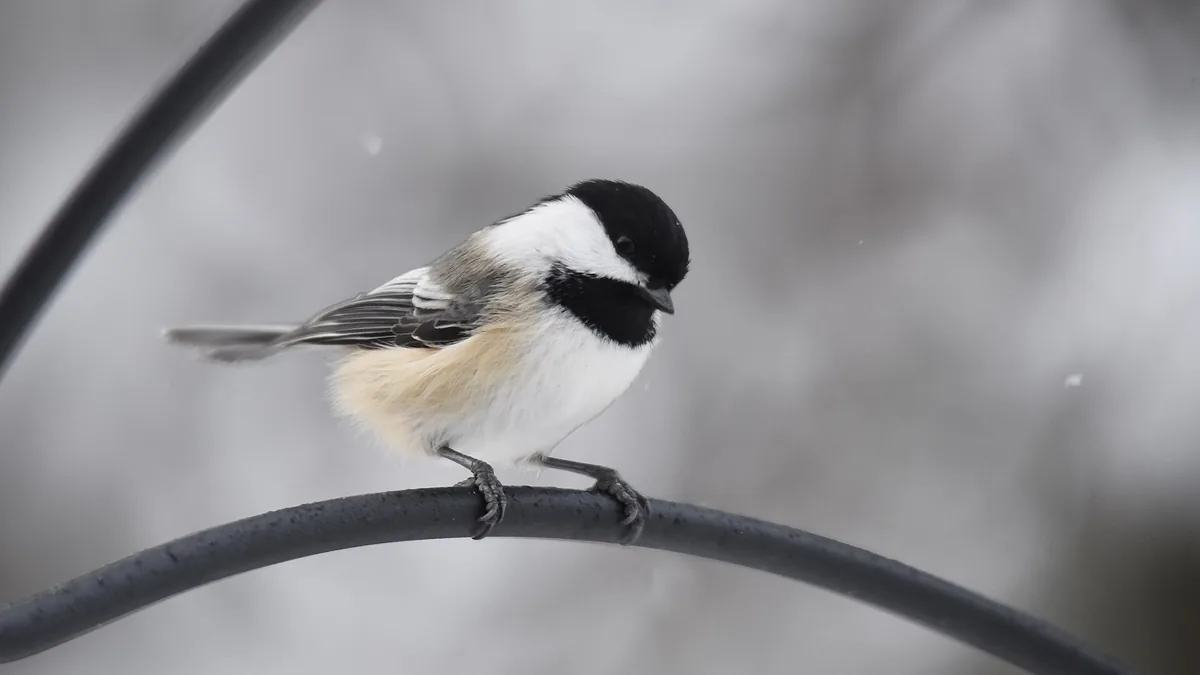
The surge will show itself in two daily flurries, one at dawn and one in the last hour before dark. Watch the clock, not the sky: a feeder that empties by mid-afternoon will stand half full at the same hour. Compare each day with the one before it, and a feeder that needs a refill a day early will tell you the flock is loading up. Two days of faster emptying in a row mean the surge is real, and one busy morning alone means little. Chickadees will grab one seed at a time and fly off to hide it, because the Cornell Lab notes that chickadees hide much of the seed they collect. More species at one feeder also mark a surge day.
The Pressure Drop Will Flip the Switch
In 2013, a study from the University of Montana found that white-crowned sparrows ate more when only the pressure fell, and the Journal of Experimental Biology published the work that June. Field data showed that pressure fell in the 12 to 24 hours before snowstorms. In the laboratory, falling pressure was the only change, and food intake rose while metabolic rate and stress hormones showed no change. The study reported that the birds could burn through fat reserves within 24 hours of cold weather. No storm was visible in the chamber, and the pressure change alone flipped the switch.
A home barometer gives you the same signal, and you read the trend, not one reading. Check the pressure in the morning and again at dusk, and a steady fall across 12 hours will mean the surge is under way. The birds will act on the pressure drop, and you will act on the birds.
The Pre-Front Menu Will Lead With Fat
Suet will go out first, because fat will pack the most energy into each bite. Black-oil sunflower will stand second, because the thin shell opens fast. Plain unsalted peanuts will add more fat, and white millet scattered low will serve the juncos and sparrows. Nyjer suits the finches.
The RSPB published new garden bird feeding guidance in October 2026, and it advised feeder owners to put out only food that birds eat within one to two days. Suet is the one exception, and it can stay out for up to seven days. Clean the feeders once a week, and you will keep disease from spreading where the flock gathers. A full winter menu will need only four foods. The best bird food for winter will stay high in fat all season.
What to Put Out Before the Front
Match each food to the birds it serves.
| Food | Who it serves | How much to put out |
|---|---|---|
| Suet | Woodpeckers and chickadees will take it from the cage. | One cake per cage will last through the surge. |
| Black-oil sunflower | Cardinals, chickadees, and finches will crack the thin shells. | A full tube will empty in a day. |
| Plain unsalted peanuts | Jays and chickadees will carry the pieces away. | A small scoop will serve the rush. |
| White proso millet | Juncos and sparrows will feed on the ground below. | A thin scatter will disappear by dusk. |
The Nightly Top-Up Will Carry the Flock Through
The dusk top-up will matter more than the morning fill. Fill every feeder before dark, and check the level again at first light. The U.S. Fish and Wildlife Service notes that a black-capped chickadee eats more than 35 percent of its body weight every day, and National Wildlife Federation research puts the daily fat gain at 10 percent or more of body weight, burned away overnight. Cold nights will also freeze seed in the tube, so the guide to keeping bird seed from freezing will help you keep it loose. A clean feeder matters as much as a full one once the cold sets in. The guide to how birds stay warm in winter will show where every calorie goes.
Cold Snap or Storm: Your Plan Will Change With the Answer
A cold snap brings a sharp drop in temperature, and the feeders stay open and reachable through it. A storm will bury food under snow and wind, and the winter storm guide will help you tell the two apart. Feed for a cold snap hours before it, and feed for a storm a full day ahead. The Christmas Bird Count will open on 14 December 2026, and the winter solstice will fall on Monday 21 December 2026 at 3:50 in the afternoon, Eastern time. Feeder watchers will count from home in the 127th season. In 2025, over 85,000 people counted more than 44 million birds.
Your Pre-Front Checklist
- You will check the barometer in the morning and again at dusk.
- You will compare the seed level with yesterday.
- You will hang suet and fill the sunflower tube early.
- You will scatter millet on clear ground for the juncos.
- You will top every feeder up before dark.
- You will clear snow from the feeder ports after the front.
Three Surge Mistakes That Will Empty Your Feeder at the Wrong Hour
The first mistake is one morning fill: a feeder filled once will stand empty by dusk. The second mistake is a week of seed at once: damp seed molds. The third mistake is a frozen tube: seed that froze overnight will lock the ports. Keep a spare bag by the door, and the Feeding Tools page helps you plan the next refill.
Questions You Will Ask
Will birds eat more before every cold snap?
Birds will feed hardest before a sharp front.
How far ahead will the surge start?
The pressure signal will start 12 to 24 hours before snow.
What food will help most before a cold snap?
Suet and black-oil sunflower will help most.
Will a full feeder keep birds safe through the cold snap?
A full feeder will help, but shelter will matter too.
Will birds still come if I fill the feeder late?
Birds will still come, but the dusk top-up will matter most.

Related Articles
How to Clean Bird Feeders When It Is Freezing Outside
Bring the feeder indoors to thaw, wash it inside with warm water, and dry it fully. The freeze…
Read Article
What Birds Will Eat When Snow Covers the Ground
Snow buries the food ground-feeding birds need. See which birds come down, what to scatter, and where to…
Read Article
The Birds That Will Visit Your Feeder in Late November
Late November will bring a new cast to your feeder. The dark-eyed juncos will arrive from the north,…
Read Article