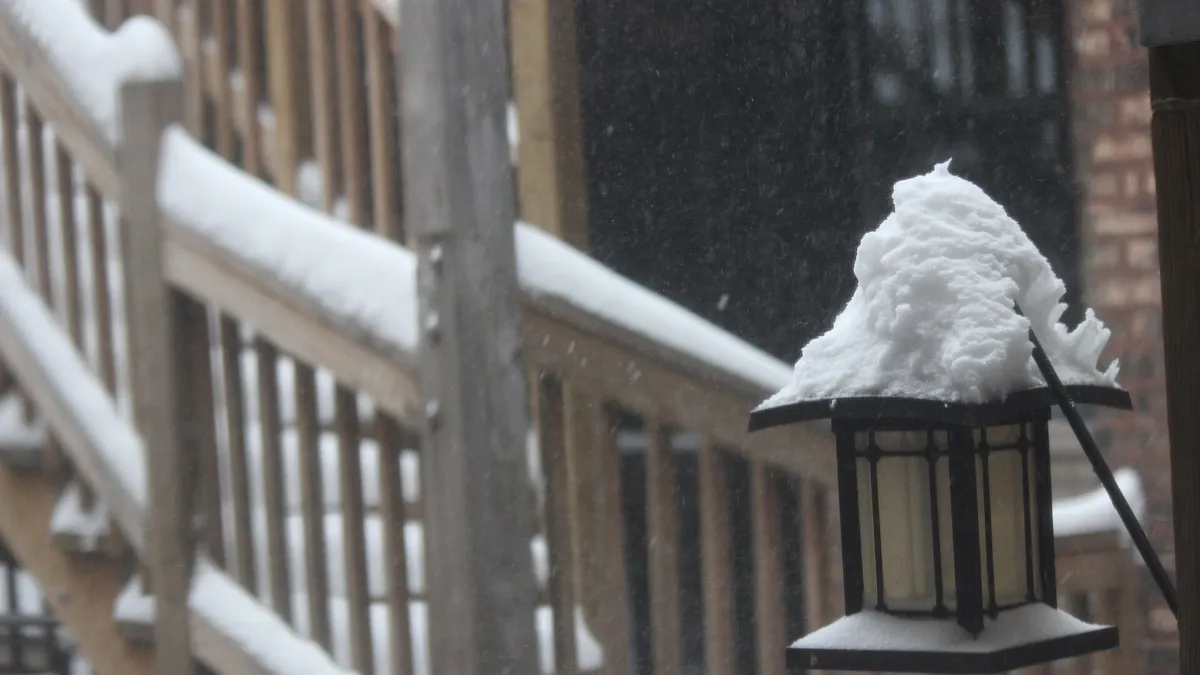
What Will Freeze First on a Feeder
Cold changes every step of the routine. Wash water turns to slush, disinfectant loses strength, and seed clumps into a solid block behind the ports. Husks and droppings freeze into a hard mat below. You will start a winter clean with the freeze itself, not with the brush.
The RSPB published new garden bird feeding guidance on 30 October 2026, with the weekly rule at the centre: clean and disinfect feeders at least once every seven days. The charity reported that greenfinches fell by about 65 percent over the past three decades, and that fall gives your routine its purpose.
You will check the ports for ice and the ground for the frozen mat. You will also check the bird bath, because the RSPB cold-snap guidance asks for ice-free water, changed daily. A frozen bath needs the same indoor treatment.
The Indoor Thaw Will Do the Heavy Work
You will take the feeder down and carry it indoors, because no outdoor wash works below freezing. Warmth loosens the ice in the ports, softens the clumped seed, and frees the frozen parts without force. You will leave the feeder in a sink until every part moves freely, and you will empty the wet seed into the bin.
You will let the feeder dry fully indoors before it goes back outside. Project FeederWatch recommends a full rinse and dry before fresh feed goes in, and a damp feeder freezes its fresh seed on contact. You will wait until every surface feels dry. Wet seed never goes back, and our guide to keeping bird seed from freezing shows why.
Birds feed harder before a cold snap, so a clean feeder matters even more when the freeze arrives. Our guide to how birds stay warm in winter explains why they cope with the cold.
The Sub-Zero Wash Will Keep the Same Order
The wash follows the same order as the general seven-step guide, and you will find those steps in full in our guide to cleaning bird feeders. The cold changes where you do each step, not what the steps are. You will mix your wash water indoors and bring the feeder inside to soak and dry.
You will wear gloves for the whole job, because the RSPB cold-snap guidance asks you to, and cold water numbs bare hands. Researchers at Kutztown University found that feeders with debris held more bacteria after cleaning. Project FeederWatch published its cleaning guidance in 2018, and it recommends a dilute bleach soak. You will then soak or scrub with mild detergent or dilute bleach, rinse, and dry fully before you refill.
You will mix the disinfectant indoors with warm water and use it at once, because a cold solution loses strength and may freeze. The RSPB guidance allows a mild 5 percent bleach solution or a non-toxic disinfectant such as Ark-Klens. The RSPB asked gardeners to move feeders weekly, so litter never builds up in one place.
What Will Change When the Temperature Drops
No part of the routine stays the same when the temperature falls.
| What will change | What mild weather will allow | What freezing weather will demand |
|---|---|---|
| Wash water will freeze first. | Warm water will stay liquid. | You will mix it indoors. |
| Disinfectant will lose strength. | A soak will work at full strength. | You will keep it warm indoors. |
| Drying will take longer. | Parts will dry fast. | You will dry every part indoors. |
| Ground litter will freeze solid. | Husks will brush away. | You will clear the frozen mat and move the feeder. |
| Fresh seed will clump. | Fresh seed will flow freely. | You will refill only a dry feeder with dry seed. |
Your Freeze-Day Cleaning Round
Your freeze-day round will fit on one list, and Feeding Tools will keep the rest in one place.
- You will take the feeder down and carry it indoors to thaw.
- You will empty the wet seed and throw it away.
- You will put on gloves before you touch the feeder.
- You will scrub, disinfect, rinse, and dry it indoors.
- You will clear the frozen husks and droppings below.
- You will hang it in a fresh spot with dry seed.
Five Things You Will Never Do to a Frozen Feeder
You will never pour boiling water over a frozen feeder, because sudden heat cracks cold plastic. The forthebirds.life guide showed how sudden heat can damage frozen parts, and it recommends an indoor thaw. Frozen plastic turns brittle in extreme cold and breaks under force. You will never strike ice off the ports or force a tool into a blocked opening.
You will never refill a damp feeder, because fresh seed freezes to wet surfaces. You will never scrub without gloves, because cold water punishes bare hands. You will never leave the frozen mat under the feeder, because the RSPB asks you to clear it away every week.
The Coldest Weeks Will Test Your Routine
The RSPB published its guidance on 30 October 2026, just as the feeding season opened on 1 November. The first Christmas Bird Count took place in 1900. The 127th count will open on 14 December 2026 and run to 5 January 2027. The winter solstice falls on Monday 21 December 2026 at 3:50 pm EST, the shortest day of the year.
Your routine holds if you keep it simple: one thaw, one wash, one dry, every week. You will start this week, while the freeze is still light.
Questions You Will Ask
Will wash water freeze outdoors?
Wash water freezes fast outdoors, so the wash moves indoors.
Will disinfectant still work in freezing weather?
Disinfectant works if you mix it indoors with warm water.
Will boiling water thaw a frozen feeder?
Boiling water risks cracking frozen plastic, so you will thaw the feeder indoors instead.
Will I need to clean under the feeder in winter?
Frozen husks and droppings come away every week, and the feeder moves to a fresh spot.
Will a clean feeder help birds in the coldest weeks?
A clean feeder stays open when ice seals a dirty one.

Related Articles
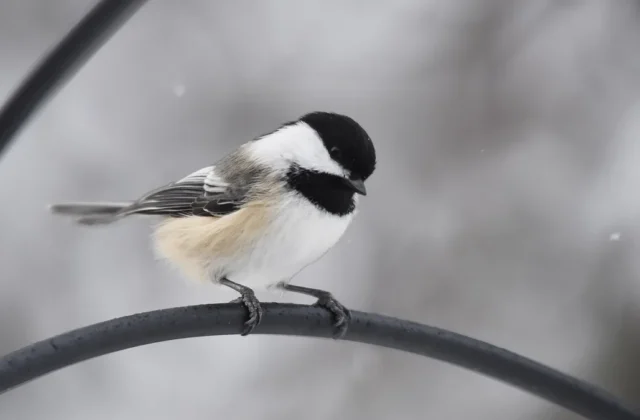
Why Birds Will Eat Far More Before a Cold Snap
Birds feed hardest in the day before a cold snap. Read the surge, watch the falling barometer, and…
Read Article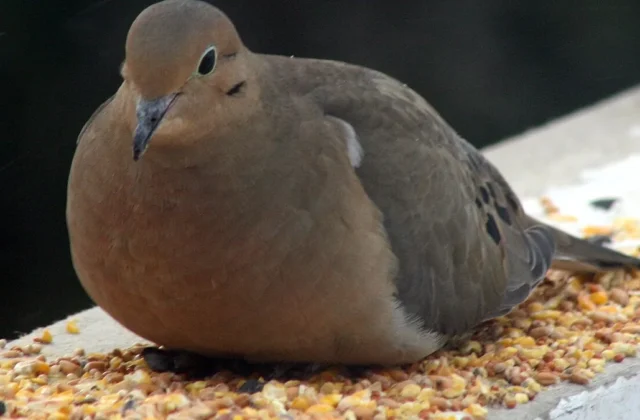
What Birds Will Eat When Snow Covers the Ground
Snow buries the food ground-feeding birds need. See which birds come down, what to scatter, and where to…
Read Article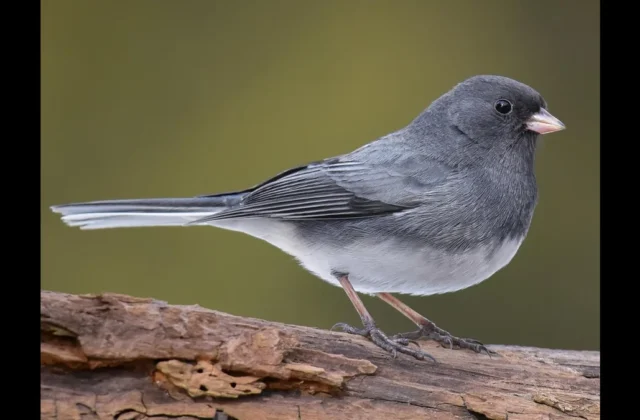
The Birds That Will Visit Your Feeder in Late November
Late November will bring a new cast to your feeder. The dark-eyed juncos will arrive from the north,…
Read Article