Short Answer
Robins are not seed birds. No seed — not even a premium mix — will bring one to a hanging tube feeder, because robins eat earthworms, insects and fruit, and they feed on the ground. The fastest way to attract them is a shallow dish of soaked dried mealworms set on the ground, chopped fruit on a low platform, and a shallow birdbath with 1–2 inches of water. Stop spraying pesticides, keep a patch of leaf litter, and give any new offering a week before judging it.
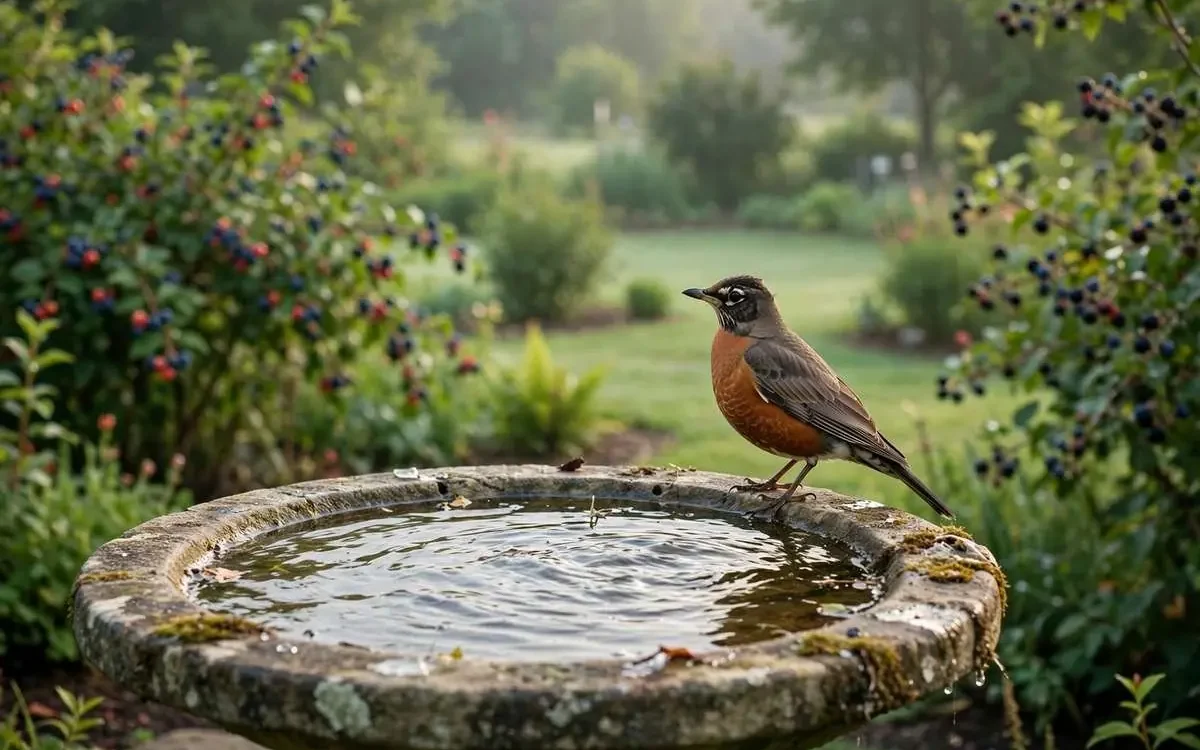
Every spring, robins are the first birds back on the lawn — and the most misunderstood. They hop across the grass at dawn, stop, cock their heads, and pull up earthworms. That head-cock is not a quirk: Cornell Lab notes that robins find worms by staring motionless at the ground, head cocked to one side. A yard full of seed feeders can still be a robin-free yard, because a robin’s food is in the soil and the shrubs, not in a tube. Attracting robins means feeding the ground, not the feeder.
An American robin, by the numbers
| Fact | Figure |
|---|---|
| Length | 7.9–11.0 in (20–28 cm) |
| Wingspan | 12.2–15.8 in (31–40 cm) |
| Weight | 2.7–3.0 oz (77–85 g) |
| Size in context | The largest North American thrush — almost half again as big as a bluebird |
| Clutch | 3–5 sky-blue eggs; 1–3 broods a season |
| Incubation / nestlings | 12–14 days; young leave the nest at about 13 days |
| Global breeding population | About 370 million (Partners in Flight estimate) |
Figures: Cornell Lab of Ornithology, American Robin identification and life history.
The lawn is the feeder
Watch a robin work a lawn and the whole strategy is visible: run a few steps, stop abruptly, stare, pull. Cornell describes exactly that — robins run on the ground with short rapid steps, pausing to scan for prey. In spring and summer they eat large numbers of earthworms, insects and some snails. In fall and winter the diet swings to fruit: chokecherries, hawthorn, dogwood, sumac and juniper berries are all on the menu. Seed is not part of the diet Cornell describes for robins at all. That is why a tube feeder full of seed can sit untouched for months while the same birds work the grass ten feet away.

Mealworms on the ground, not in a tube
The single most reliable robin offering is mealworms — but only if they are served the way a robin eats. Put dried mealworms in a shallow dish or low platform tray on the ground or a low table, and soak them in warm water for 15–20 minutes first so they are soft and easier to digest, especially in nesting season when parents are feeding chicks. Offer a small handful in the same spot every morning: consistency matters more than quantity. Robins are cautious about new food, so give any new dish at least a week of steady mornings before deciding it failed. For choosing between live and dried, see the guide to the best mealworms for backyard birds.
Fruit carries robins through winter
When the ground freezes and worms vanish, robins switch almost entirely to fruit — and in winter they often roam in flocks, looking for fruiting trees. A yard with berry bushes becomes a refuelling station for the whole flock. Native shrubs that hold fruit into winter are the best investment: serviceberry, flowering dogwood, elderberry, winterberry holly, juniper and crabapple. Even one or two bushes make a difference, and they double as shelter and nesting cover. Bushes take a season or two to establish, so this is the long game — but it is the highest-leverage permanent change a yard can make. In the meantime, chopped apples, halved grapes, blueberries and raisins soaked in warm water until soft, served on a platform feeder or a flat rock, bridge the gap.

Water is the strongest single magnet
If only one thing is added to a yard, it should be water. Robins are enthusiastic bathers and drinkers, and a reliable water source pulls in birds that ignore every feeder. Keep the bath shallow — 1–2 inches of water — with a rough-textured surface so their feet grip. Place it near a shrub or small tree so robins have a quick escape route, but not inside dense cover where cats can hide. Moving water from a dripper or small solar fountain gets noticed far faster than still water. Clean the bath every 2–3 days; robins avoid stagnant, slimy water. In freezing weather, a heated birdbath can be the only open water for blocks — see how to help birds in a winter storm.
Leave part of the yard alone
The most robin-hostile feature of a modern yard is the immaculate lawn. A perfectly clean, chemical-treated lawn is a food desert: no leaf litter means no insects, no grubs and no worms near the surface. Leave one corner a little wild — leaf litter under a tree or along a fence, a small patch of unmowed grass, a modest brush pile. Leaf litter is habitat for the exact invertebrates robins hunt. Watering the lawn early in the morning also brings earthworms closer to the surface, which is the classic reason robins follow sprinklers. And cut out broadcast pesticides, especially grub killers: Cornell notes that because robins forage largely on lawns, they are vulnerable to pesticide poisoning and can be an indicator of chemical pollution. Spot-treat only genuine problems and let the birds handle the rest.
Nesting: mud and a shelf, not a birdhouse
Robins do not use enclosed birdhouses. They build open cup nests, and the female builds from the inside out, pressing dead grass and twigs into a cup shape and then reinforcing it with soft mud gathered from worm castings — the finished nest is 6–8 inches across. Nests are typically in the lower half of a tree, hidden in dense leaves, but robins also nest in gutters, on eaves and on outdoor light fixtures. In March and April, keep a small patch of bare soil damp — a shallow muddy puddle edge is perfect nesting material. A simple nesting shelf, a small wooden platform mounted 6–10 feet up under an eave or on a shed wall, sheltered from rain and wind, works far better than any birdhouse. Do not prune dense shrubs in spring; robins nest in them. Once a pair raises chicks successfully, they often return year after year.

The mistake that empties a yard
Most robin-free yards fail in the same four ways. Only seed is offered, and robins walk past a full tube feeder without a glance. The lawn is spotless and sprayed, so there are no worms or insects to hunt. There is no water at all — the single most common missing piece. And a new offering is judged after three days, when cautious robins need at least a week to trust it. Fix the food, the water and the chemicals first, and the birds do the rest.
What to offer, by season
| Season | Robins are eating | Best offering |
|---|---|---|
| Spring | Earthworms, insects, grubs | Soaked mealworms in a ground dish; damp mud patch for nesting |
| Summer | Insects, caterpillars, early berries | Mealworms; chopped fruit; clean birdbath (critical in heat) |
| Fall | Shifting to fruit and berries | Native berry bushes; chopped apples and soaked raisins |
| Winter | Almost entirely fruit | Berry bushes holding fruit; heated birdbath; suet with fruit |
Quick answers
Will robins eat birdseed?
Almost never. Robins eat earthworms, insects and fruit — seed is not part of the diet Cornell describes for them. Offer mealworms, chopped fruit and berries instead of seed.
What is the best food to attract robins?
Soaked dried mealworms in a shallow ground-level dish are the most reliable offering, followed by chopped apples, soaked raisins and blueberries. In winter, native berry bushes and a heated birdbath outperform all feeders.
Do robins use birdhouses?
No. Robins build open cup nests from mud and grass on sheltered ledges, not in cavities. A flat nesting shelf mounted under an eave works far better than any birdhouse.
How do I attract robins in winter?
Focus on fruit and water: native berry bushes that hold fruit (holly, crabapple, juniper), chopped apples and soaked raisins on a platform, and a heated birdbath. Winter robin flocks are nomadic and remember reliable yards.
Plan the robin-friendly yard with the Feeding Tools planner, and for a bark-climbing visitor that also loves suet, see the guide to attracting woodpeckers to your backyard.
Sources: Cornell Lab of Ornithology, American Robin overview, life history and identification; Audubon field guide, American Robin.
Related guides: Backyard Bird Species Guides · How to Attract Bluebirds to Your Backyard (A Nest-Box-First Guide) · How to Attract Wrens to Your Backyard (A Brush-Pile-First Guide)

Related Articles
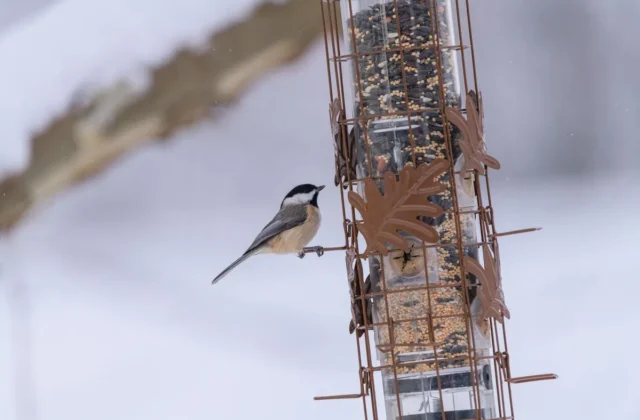
How to Help Birds in a Winter Storm
Fill your feeders before the storm, offer suet and sunflower seed, and keep water open — a small…
Read Article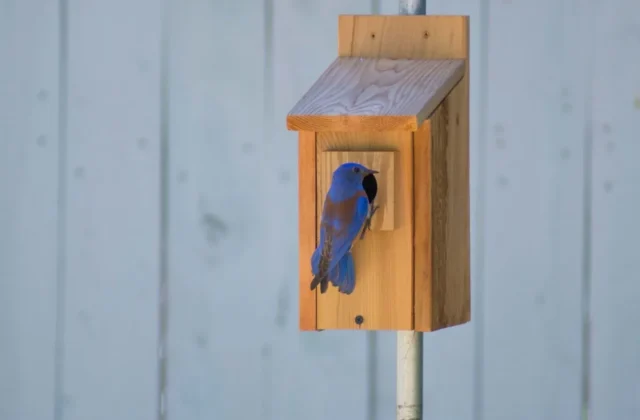
Do Birds Use Birdhouses in Winter?
Yes — chickadees, bluebirds, titmice, wrens and nuthatches roost in birdhouses on cold nights. Clean yours out this…
Read Article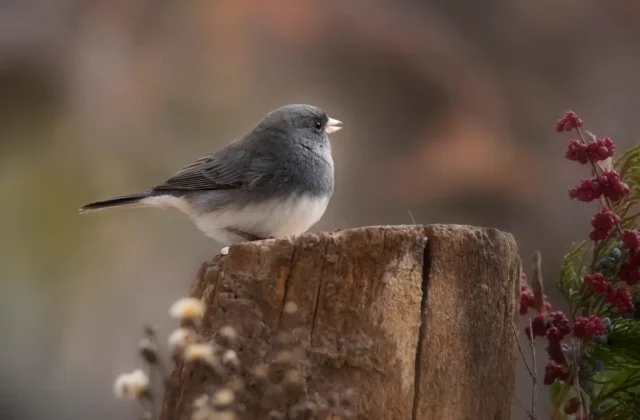
What Do Juncos Eat in Winter? (And How to Attract Them to Your Feeder)
In winter, juncos eat seeds — almost nothing else. White millet on the ground is their first choice.…
Read Article