How to Attract Cardinals to Your Backyard: 7 Proven Tips (2026)
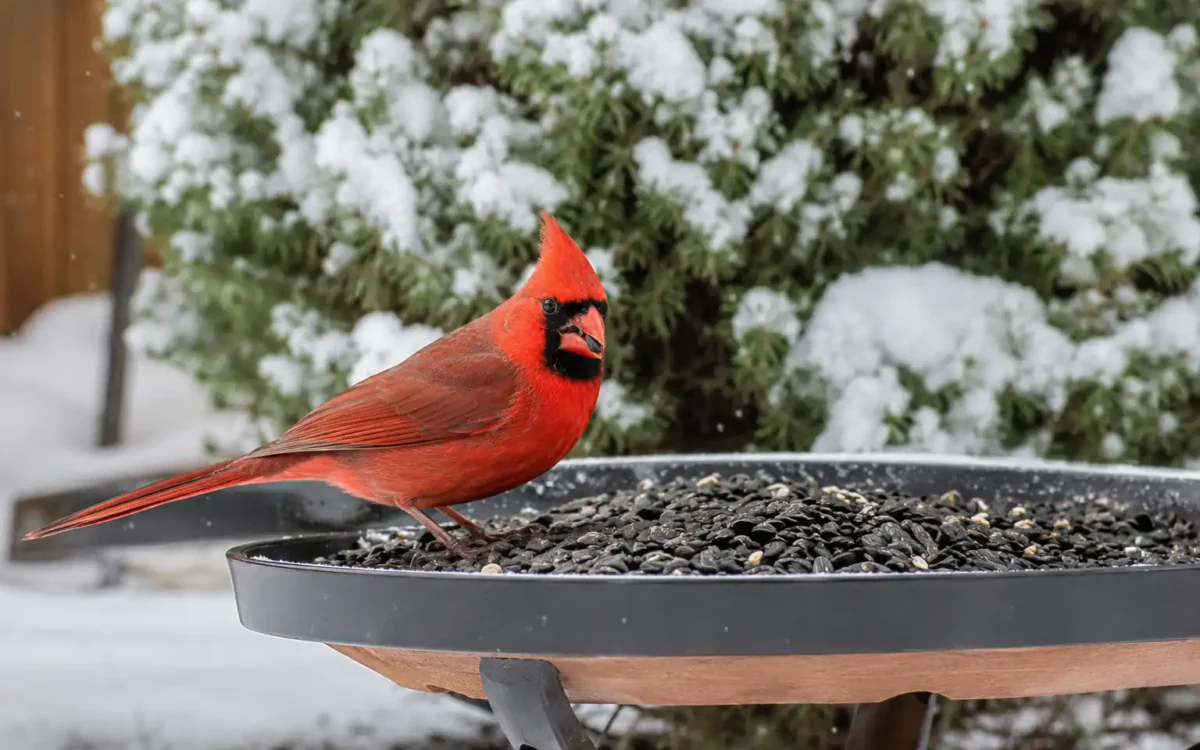
When a male northern cardinal lands on a platform feeder — that impossible red against a gray February morning — it is easy to understand why people rearrange entire backyards for this bird. Cardinals are non-migratory, which means if you win them over, they’re yours all year: spring singers, summer parents, winter color.
Here is how to attract cardinals, backed by ornithology and long-term field observation.
❤️ Winning Cardinals, Up Front
- Black-oil sunflower — the #1 cardinal food, with safflower as the squirrel-proof backup.
- Platform or hopper feeders — stable and roomy; cardinals hate swinging tube perches.
- Food near cover: 10–12 feet from dense shrubs or evergreens.
- Stay consistent — they don’t migrate; an empty March feeder teaches them not to trust you.
Win them over once and they’re yours all year — spring singers, winter color.
📋 In This Guide
1Serve Their Favorite Foods
Cardinals have thick, powerful bills built for cracking tough seeds. Generic mixed seed won’t impress them — specific foods will:
- Black-oil sunflower seeds — the #1 cardinal food at feeders, per Cornell Lab’s Project FeederWatch data
- Safflower seeds — cardinals love them; squirrels and starlings don’t (double win)
- Striped sunflower & sunflower hearts — hearts are mess-free but pricier
- Cracked corn and white millet — good on platform or ground feeders
- Suet — especially in winter; high-fat fuel
- Peanuts (shelled, unsalted) — protein-rich, great during nesting season
- Fruit — blueberries, raspberries, chopped apples, raisins
Keep it consistent. Cardinals don’t migrate — they settle where food is reliable year-round. A feeder that’s full in January and empty in March teaches them your yard can’t be trusted.
Full rankings: best bird food for backyard birds.
2Use Feeders Cardinals Can Actually Use
This is where most people go wrong. Cardinals are medium-sized, somewhat stocky birds that dislike swinging, cramped perches. They want stability.
The cardinal feeder checklist:
- ✅ Platform feeders — their favorite. Open, stable, room to face outward and watch for danger
- ✅ Hopper feeders — sturdy perches, good seed protection, roomy
- ✅ Ground feeding — scatter seed under shrubs; cardinals forage naturally on the ground
- ❌ Small tube feeders — perches too short, ports too tight; watch a cardinal try one and you’ll see the frustration
Hang or pole-mount feeders about 5 feet high, and make sure perches are wide enough for a bird that likes to sit facing out while it eats.
🌿 Tip 3: Give Them Cover (This Is the Secret Most Guides Bury)
- Cardinals are skittish. In the wild they stick to dense tangles and forest edges — and your yard needs to offer the same deal: food near shelter.
- Place feeders 10–12 feet from dense shrubs or evergreens — close enough to dive into, far enough that cats can’t lurk.
- Evergreens are gold: they provide winter cover when deciduous shrubs are bare.
- Avoid wide-open lawn placements; a cardinal in the open feels exposed and won’t stay.
The Cornell Lab’s guidance is consistent on this: feeder placement near protective cover is one of the strongest predictors of use by shy species.
4Add Water — Especially Moving Water
A birdbath with a dripper or small mister will pull in cardinals that ignore seed feeders entirely. A dripper often attracts a yard’s first cardinal pair a full month before they touch the feeders. Keep baths shallow (2–3 inches), with a textured surface, and change water every few days.
5Plant for Cardinals
Feeders are the fast track, but plantings are the long game. Cardinals eat buds, berries, and insects too:
- Native berry producers: dogwood, elderberry, sumac, serviceberry, viburnum
- Seed heads: coneflowers, sunflowers — and don’t deadhead everything in fall; standing seed heads feed birds all winter
- Insect habitat: skip the pesticides. Cardinals feed their chicks almost exclusively on insects — caterpillars, beetles, grasshoppers. A sprayed yard is a food desert for baby cardinals.
6Keep Feeders Clean and Safe
Cardinals are ground and platform feeders, which puts them in contact with droppings and old hulls — exactly where disease spreads. Clean platform feeders weekly (they soil faster than tube feeders), use the 1:9 bleach soak method, and rake underneath regularly. Sick bird spotted? Feeders down for two weeks. Protocol here: how to clean your bird feeders.
Also: cardinals are slow-ish, short-winged fliers — vulnerable to cats. If neighborhood cats roam, a baffle-guarded pole feeder 10+ feet from ambush cover is the safest setup. More: where to place your feeders.
7Learn Their Habits (So You Know It’s Working)
- Dawn and dusk feeders — cardinals are often first at the feeder in the morning and last at night
- Pairs, then flocks — you’ll see mated pairs in spring/summer; in winter they gather in loose flocks, sometimes a dozen strong
- The mate-feeding ritual — males feed females beak-to-beak during courtship; if you see it, your yard has officially been chosen
- Color = diet — that brilliant red comes from carotenoid pigments in berries and fruits. Richer diet, brighter male, better mating success. Your feeder literally makes them more handsome.
Frequently Asked Questions
What is a cardinal’s favorite food?
Black-oil sunflower seeds, by a wide margin. Safflower seeds are a close second and have the bonus of deterring squirrels. Suet is the top cold-weather supplement.
What kind of feeder is best for cardinals?
Platform feeders first, large hopper feeders second. Cardinals need stable, roomy perches — small tube feeders with short perches frustrate them.
How do I attract cardinals in winter?
Keep feeders full and consistent (they don’t migrate), offer high-fat foods like suet and peanuts, provide evergreen cover, and keep water ice-free — unfrozen water in winter is a massive draw.
Why won’t cardinals come to my feeder?
The usual culprits: wrong feeder type (tiny tube), feeder too exposed (no nearby cover), inconsistent filling, or not enough time — give it 3–4 weeks. Also check for lurking cats.
Do cardinals eat from the ground?
Yes — they’re natural ground foragers. Scatter black-oil sunflower or millet under shrubs near cover, and keep the area raked clean to prevent disease.
When are cardinals most active at feeders?
Early morning and late evening — they’re typically the first to arrive and the last to leave. In winter you may see flocks feeding midday too.
Ready for the full setup? Start with our beginner’s guide to feeding backyard birds, stock up with the best bird food, and protect it all with our squirrel-proof guide.

Related Articles
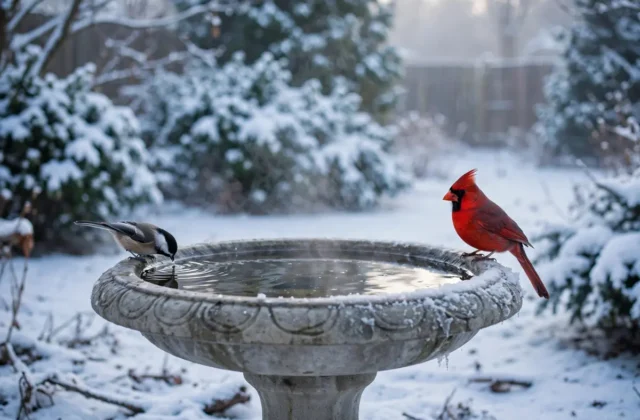
Do Birds Need Water in Winter? (The Surprising Truth)
Bird Feeding Note: This article is for general informational purposes. Keep feeders clean, provide fresh food and water,…
Read Article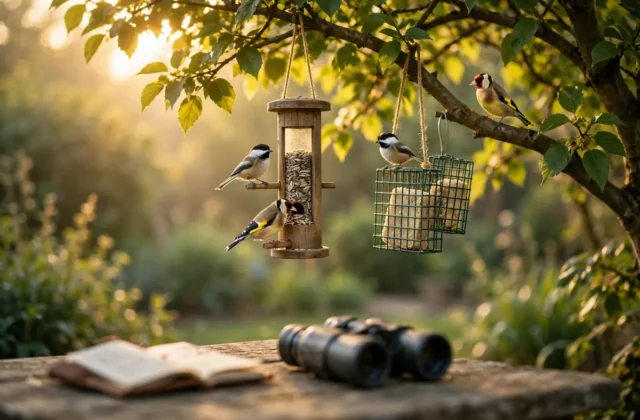
How to Do October Big Day From Your Backyard: A Beginner’s 1-Day Plan (2026)
Bird Feeding Note: This article is for general informational purposes. Keep feeders clean, provide fresh food and water,…
Read Article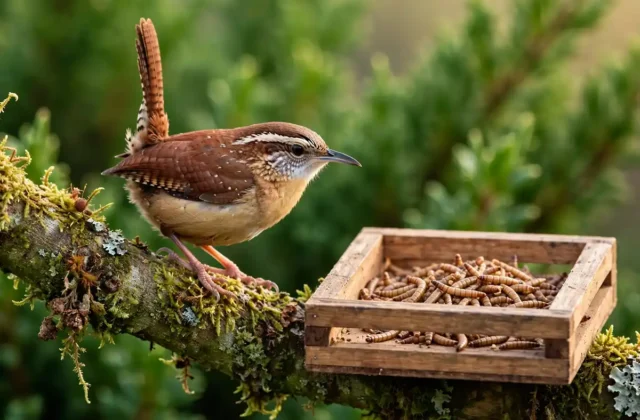
How to Attract Wrens to Your Backyard: 7 Proven Tips (2026)
Bird Feeding Note: This article is for general informational purposes. Keep feeders clean, provide fresh food and water,…
Read Article