
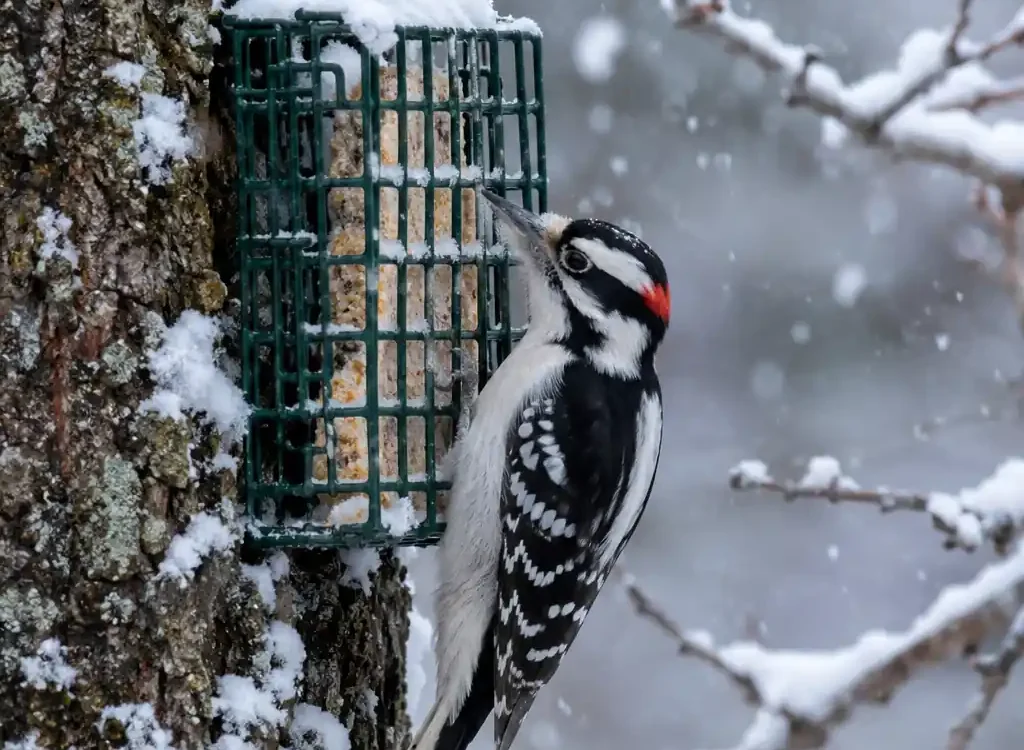
A small songbird can burn through as much as ten percent of its body weight overnight just staying warm during a hard freeze, according to research from the Cornell Lab of Ornithology. That single fact explains why finding the best bird food for winter matters so much more than seed choice does the rest of the year — calories aren’t optional in January the way they might be in June. This guide covers what genuinely holds up in cold weather, not just what sounds seasonal on a label.
Why Winter Food Needs to Be Different
Natural food sources like insects and soft fruit largely disappear in cold months, which pushes birds toward feeders for a much bigger share of their daily energy needs. This is the core reason winter bird feeding tips almost always emphasize fat and calorie density over variety.
A bird that would happily peck at a mixed seed blend in summer needs something closer to an energy bar in winter — high in fat, easy to access, and available consistently rather than occasionally.
Best Suet for Winter Birds
The best suet for winter birds is almost always a plain, high-fat block without added fillers, since pure fat content matters more than flavor variety when temperatures drop. Woodpeckers, chickadees, and nuthatches are especially reliable suet visitors through the coldest stretches.
For anyone interested in a homemade suet recipe, melting rendered fat with peanut butter and mixing in oats or seed before pouring it into a mold or ice-cube tray produces a version that performs just as well as most store-bought blocks, often at a fraction of the cost.
Rendering suet properly — melting it fully, straining out any solid bits, then letting it re-harden completely — also makes it noticeably more weather-resistant than raw fat, which tends to soften and drip in anything above freezing temperatures.
High-Fat Foods That Actually Matter
Beyond suet, the most reliable high fat bird food for winter includes peanut butter mixed with cornmeal, black oil sunflower, and shelled peanuts. All three offer a dense calorie source relative to their size, which matters when a bird’s entire feeding window shrinks considerably during short winter days.
Spreading a plain peanut butter mix directly onto bark or a pinecone works nearly as well as a dedicated feeder, and it’s a low-cost way to add extra fat without buying anything new. Mixing in a bit of cornmeal keeps the peanut butter from being too sticky for smaller beaks to manage comfortably.
Best Bird Seed for Cold Weather
The best bird seed for cold weather leans heavily toward black oil sunflower and safflower, both of which our full guide on best bird seed for backyard birds covers in more depth. The thinner shell and higher oil content of black oil sunflower makes it noticeably more efficient for birds working to conserve energy in the cold rather than spending it cracking a tougher shell.
Nyjer remains valuable for finches through winter too, though it’s worth checking that mesh feeders haven’t frozen shut after any freezing rain, which can block access without being obvious from a distance.
Best Fruit for Winter Birds (In Small, Occasional Amounts)
Fresh fruit is scarcer for birds in winter than any other season, which makes the occasional offering genuinely welcome to species that would otherwise go without it. The best fruit for winter birds tends to be sliced apples, halved grapes, and raisins soaked briefly in warm water to soften them before serving.
Robins, waxwings, and orioles are especially likely to take advantage of fruit through the colder months, though it should be treated as a supplement rather than a primary food source alongside suet and seed staples.
Best Peanuts for Winter Birds (And the Squirrel Trade-off)
Unsalted, dry-roasted peanuts are among the best peanuts for winter birds, drawing jays, woodpeckers, chickadees, and even cardinals when other food is scarce. Cardinals in particular lean on peanuts and safflower more heavily through winter than in warmer months, something our guide on how to attract cardinals to your backyard touches on directly.
The catch is that peanuts and cracked corn are just as appealing to squirrels, sometimes more so. If a winter feeder keeps emptying faster than expected, our guide on how to keep squirrels away from bird feeders covers placement and baffle strategies that hold up even when squirrels are hungrier than usual and more determined to reach a feeder.
Setting Up a Winter Bird Feeding Station
A proper winter bird feeding station setup usually combines two or three food types rather than relying on one feeder alone — a suet cage, a sunflower-filled tube or hopper, and a Nyjer sock cover most winter visitors between them, without requiring an overly complicated arrangement.
Grouping feeders near natural shelter matters even more in winter, since birds want a quick retreat from both predators and wind chill between feeding trips.
How Often to Feed Birds in Winter
Knowing how often to feed birds in winter comes down to checking daily during genuinely cold stretches, since feeders empty faster and any moisture can freeze solid overnight. A quick morning check before birds start their most active feeding window covers most of what’s needed to keep a station reliable.
One of the more common winter bird feeding mistakes is letting a feeder sit empty during a sudden cold snap, right when birds need it most. Keeping a small backup supply of seed or suet on hand makes it easier to restock quickly rather than scrambling during the coldest days of the season.
Does Bird Food Freeze in Winter?
Whether bird food can freeze in winter depends heavily on the type. Dry seed and suet hold up fine at almost any temperature, but anything with added moisture — soaked raisins, fresh fruit, or homemade nectar — can freeze solid and become temporarily unusable until it thaws.
Checking feeders after freezing rain or a hard frost is worth the extra minute or two, since ice buildup on ports or lids can block access completely even when the food inside is still perfectly good and untouched.
How Winter Feeding Differs by Region
Not every winter looks the same, and feeding priorities shift depending on how harsh the season actually gets:
| Region Type | Feeding Priority | Watch For |
|---|---|---|
| Harsh northern winters | High-fat suet and peanuts as daily staples | Frozen feeders, rapid seed depletion |
| Mild or coastal winters | Standard sunflower mix with occasional suet | Mold from damp, rarely-freezing conditions |
| Sudden cold snaps | Temporary fat boost until temperatures recover | Feeders running empty faster than usual |
Local weather patterns matter more than the calendar date when deciding how aggressively to stock a feeder.
While putting this guide together, I ended up comparing three different suet blocks side by side during an actual cold snap — one plain, one with added fruit, and a homemade batch made with peanut butter and oats. The plain suet and the homemade version disappeared at almost the same rate, while the fruit-added block lagged noticeably behind.
It wasn’t a scientific test, just one week of watching a single feeding station, but it lined up with what most winter feeding advice already suggests — plain fat content matters more to birds in genuinely cold weather than any added variety does. The homemade batch held up just as well through two more cold nights afterward, which made the extra effort feel worth repeating.
Frequently Asked Questions
Do birds need more food in winter?+
Yes, birds need significantly more calories in cold weather to maintain body heat, which is why high-fat foods like suet and peanuts become far more important than in warmer months.
Can you leave bird food out in freezing weather?+
Yes, dry seed and suet both hold up fine in freezing temperatures. The bigger concern is feeders icing over or freezing shut, which can block access even when the food inside is perfectly fine.
Is suet safe on warm winter days?+
Generally yes, though suet can soften or turn rancid faster during an unseasonably warm stretch, so it’s worth checking it more often if temperatures climb unexpectedly.
Should I stop feeding birds in early spring?+
Not abruptly. Tapering off gradually as natural food becomes available again is gentler than stopping all at once, especially if birds have come to rely on a feeder through a hard winter.
Can bird food freeze and become unsafe?+
Dry seed freezing isn’t a safety issue, but any moist food like fruit or soaked seed can freeze solid and become difficult or impossible for birds to eat until it thaws.
What’s actually in your feeder tonight?
If it’s mostly filler seed and the temperature is dropping, tonight might be the night to swap in something higher in fat instead. Finding the best bird food for winter really comes down to that one simple trade before the cold sets in for good, rather than any complicated overhaul of the entire feeding setup.
This guide is about food and nutrition — what to serve when temperatures drop. Getting the food right is only half the battle — for the full cold-month setup (feeders, water, shelter, and maintenance), see our Winter Bird Feeding Guide.
Best Bird Food for Winter: Key Takeaways

Related Articles
Winter Bird Feeding Guide: 9 Tips for Cold Months (2026)
Last updated: September 24, 2026 · 8 min read A first January with bird feeders teaches a humbling…
Read Article
How to Feed Backyard Birds: Complete Beginner Guide (2026)
Last updated: September 24, 2026 · 9 min read Many beginners start with the cheapest mixed seed from…
Read Article
Best Mealworms for Backyard Birds: Live vs. Dried Guide
Last updated: September 24, 2026 · 7 min read The best mealworms for backyard birds are the missing…
Read Article