Short Answer
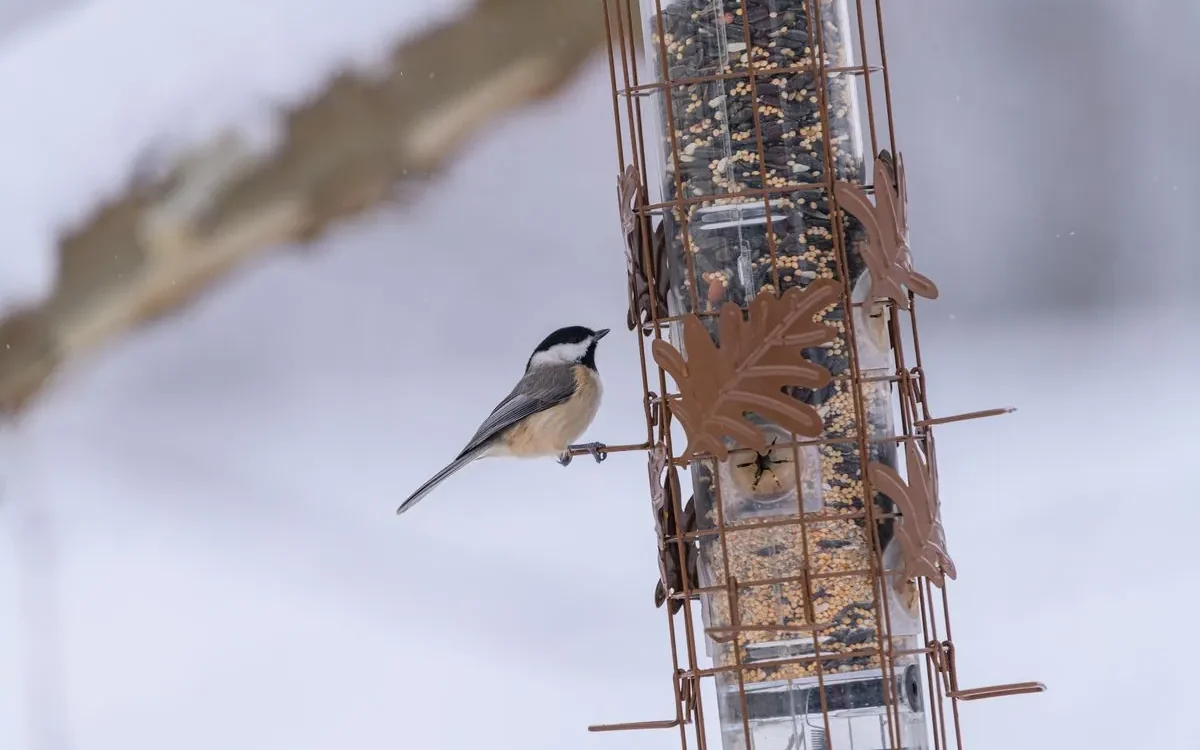
Yes — and the work happens before the storm, not during it. Fill feeders the day before with black-oil sunflower seed and suet, scatter seed on cleared ground, keep water open, and leave brush piles and roost boxes standing. A small songbird can lose up to ten percent of its body weight in a single freezing night, says the Cornell Lab — so the fat it eats beforehand carries it through.
The Storm That Caught Me With Empty Feeders
The forecast said snow by midnight. My feeders were half full, and I told myself half full was enough. It was not.
By morning the snow was a foot deep, the feeder ports were packed, and chickadees waited at the window for food that was not there. I waded out with a scoop of seed, the seed blowing sideways before it reached the tray. I filled the feeders in the end, but after the birds had spent the hardest hours of the storm with empty feeders.
That morning changed how I prepare: when a storm is forecast, I fill everything the day before. Fifteen minutes in calm weather — the most useful thing I do for my birds all winter.
Why a Winter Storm Is a Bird’s Hardest Test
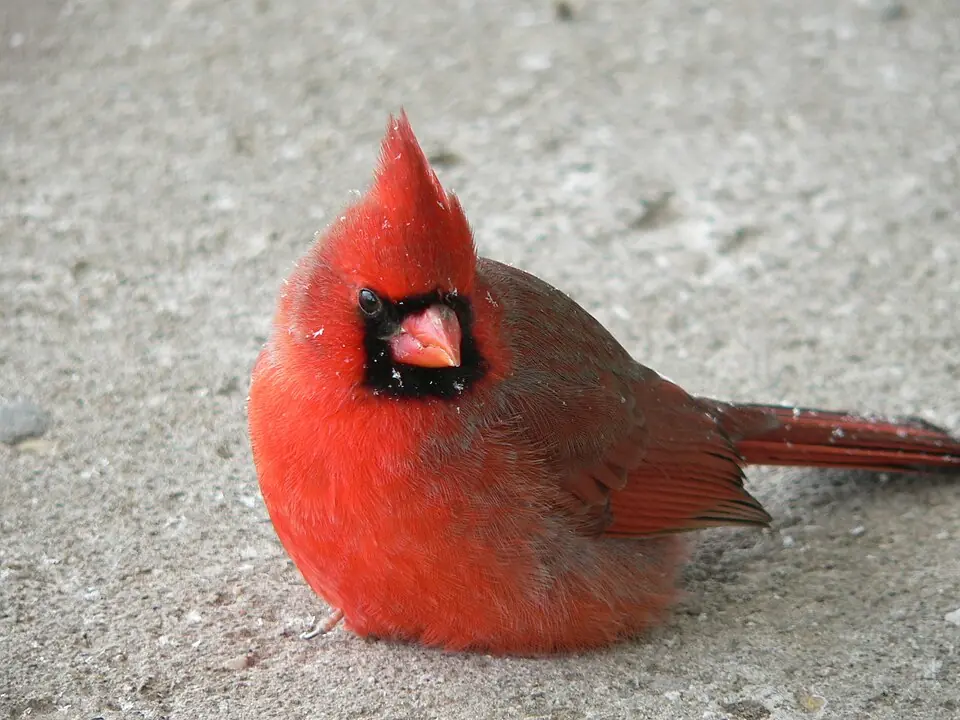
A storm hits birds with three problems at once: cold, hunger, and no shelter. Snow covers natural seed, ice locks away fruit and insects, and wind strips heat from a small body fast. The Cornell Lab’s guide to how birds survive the cold explains it: a small bird runs on fat, burned all night to stay warm. On a sub-zero morning, a small songbird can lose up to ten percent of its body weight before dawn.
Feeders genuinely help. In a long-running Wisconsin study, chickadees with a feeder survived the winter at 69 percent, against 37 percent without one, with the gap opening mainly in the coldest months. Feeders supplied about a fifth of their daily energy. Audubon agrees in its guide to winter bird feeding: more than a hundred bird species supplement their natural diets at feeders, relying on them most heavily in winter, when food is scarce. My guide to how birds stay warm in winter covers the rest of their cold-weather tricks.
Ice Storms Are Worse Than Snowstorms
Snow is hard on birds, but ice is harder. Snow covers the ground seed, and birds can still find food in shrubs and at feeders. Ice seals everything: fruit, insects, buds and branches under a glaze nothing can peck through. The wind that comes with it strips heat from a small body faster than still cold ever could. That is why suet matters most in an ice storm — Audubon calls it wonderful during ice storms, when fruit and insects are locked away — and why a feeder filled the day before is worth more than any rescue during the storm itself. If the forecast says freezing rain rather than snow, treat it as the serious one: fill everything and put out extra suet before the ice starts.
What Birds Actually Do During the Storm
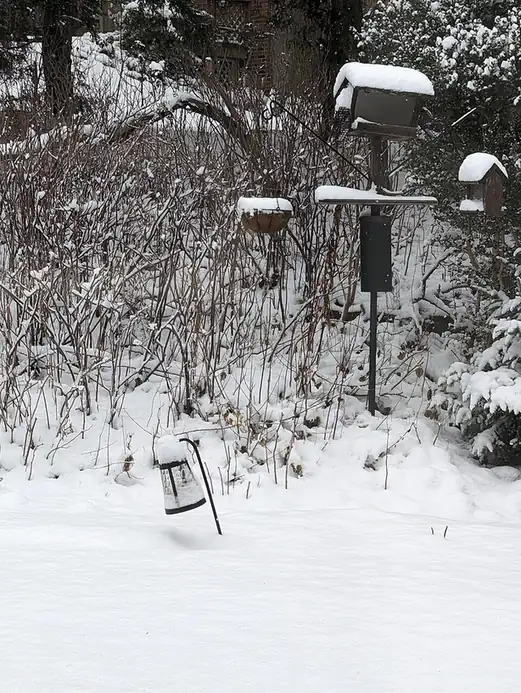
During the storm itself, birds mostly wait. They hunker in dense evergreens, cavities and roost boxes, fluff their feathers into a down jacket, shiver to make heat, and ride it out — feeding only in the lulls, when the wind drops for a few minutes and a feeder is reachable. A chickadee can let its body temperature fall 12 to 15 degrees below its normal 108°F overnight to save energy, and a bird that looks still and puffed up in a sheltered spot is usually doing exactly what it should. Do not disturb them, and do not expect normal feeder traffic until the weather breaks.
The 48 Hours After the Storm
The storm ends, but the hard part lasts another two days. Natural food stays buried under snow or locked under ice, so the feeder is still the main food source — keep it full, and refill at first light when birds wake hungry. Clear snow from roost-box entrances so birds can get back in the next night, and shovel a fresh patch of bare ground for the juncos, sparrows and doves. Keep the water open, and clean the feeders before refilling: a storm packs birds close together, and dirty feeders spread disease. If you find a bird that cannot fly or sits still on open ground for hours, contact a local wildlife centre — do not handle it or bring it indoors.
What to Do Before the Storm Arrives
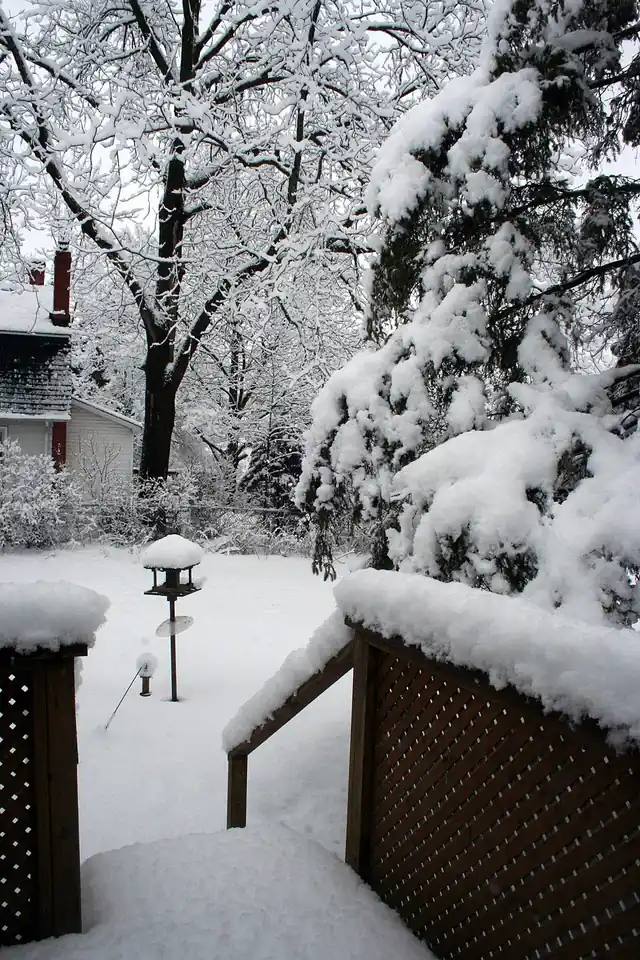
Do it all the day before the storm, while the weather is still calm.
- Fill every feeder to the top. A full feeder carries birds through the storm without you going outside. Black-oil sunflower seed is the best single seed: thin shell, high fat. My best bird food for winter list explains why.
- Put out suet. Suet is the highest-fat food you can offer, and Audubon calls it wonderful during ice storms, when fruit and insects are locked away. Hang it in a cage or mesh bag.
- Scatter seed on cleared ground. Juncos, sparrows, and doves feed on the ground and cannot dig through fresh snow, so shovel a patch near cover and scatter sunflower hearts and cracked corn.
- Keep water open. Frozen water is useless water, and eating snow costs body heat. Use a heated birdbath, or swap in a fresh bowl twice a day. Never add antifreeze, salt, or sugar. My guides to keeping a bird bath from freezing and why birds need water in winter cover the details.
- Leave shelter standing. Do not tidy the brush pile before a storm. Audubon’s winter bird feeding guide advises shelter from winter storms in the form of brush piles or nest boxes, which double as winter roosting boxes. My roost box guide shows the setup.
- Clean the feeders first. A storm packs birds close together, and dirty feeders spread disease. Audubon advises cleaning feeders every one to two weeks in nine parts water to one part bleach. Do it before you fill.
During the Storm vs After the Storm
What you do changes once the storm starts.
| What | During the storm | After the storm |
|---|---|---|
| Food | Leave it. A feeder filled before the storm carries the birds through. | Refill at first light — birds wake hungry. |
| Feeder ports | Nothing to do — snow will pack them again. | Brush snow off the ports so birds can reach the seed. |
| Water | Leave a frozen bath alone. | Swap in fresh liquid water. |
| Shelter | Let birds use brush piles and roost boxes undisturbed. | Clear snow from roost-box entrances. |
| Ground feeding | Nothing to do — the snow is too deep. | Shovel a patch and scatter seed on bare ground. |
| Cleaning | Wait. | Clean feeders (nine parts water, one part bleach) before refilling. |
The Mistake I Made: Waiting Until the Storm Started
My mistake was timing. I used to fill the feeders when the snow started falling, as if the storm itself was my reminder — by then the birds had burned their morning fat, the seed got wet as I poured it, and my hands went numb.
The forecast is the reminder, not the first flake. When a storm is forecast for tonight, fill everything today — a feeder filled in calm weather stays dry and full, and feeds birds all night without you.
Winter-Storm Checklist
The day before a forecast storm:
- All feeders filled with black-oil sunflower seed
- Suet out in a cage or mesh bag
- Seed scattered on a shovelled patch
- Water open, or a fresh bowl
- Brush pile and roost boxes left standing
- Feeders cleaned with nine parts water to one part bleach
- No bread, no salted food, nothing seasoned
- After the storm: refill at first light
Frequently Asked Questions
Should I feed birds during a storm, or wait until it ends?
Fill before the storm, not during it. Refill at first light, when birds wake hungry.
Can birds just eat snow for water?
They can, but melting snow costs body heat, and every calorie counts in a storm. Liquid water is far better.
Can I put out bread in a storm?
No. Bread fills a bird with almost no fat or protein and goes soggy and mouldy fast in snow. Sunflower seed and suet are what it needs.
Will feeding in a storm make birds dependent on me?
No. In the long Wisconsin study, birds fed for 25 winters survived just as well as never-fed birds a month after feeding stopped — feeders are a supplement, not a trap.
What if the power goes out and my heated birdbath stops working?
Swap in a fresh bowl of lukewarm water twice a day; a dark bowl in a sunny spot stays open longer. Never add antifreeze, salt, or sugar.
Run the Winter Checklist in Feeding Tools before the next storm.
Related guides: How Do Birds Stay Warm in Winter? · How to Keep a Bird Bath from Freezing in Winter

Related Articles
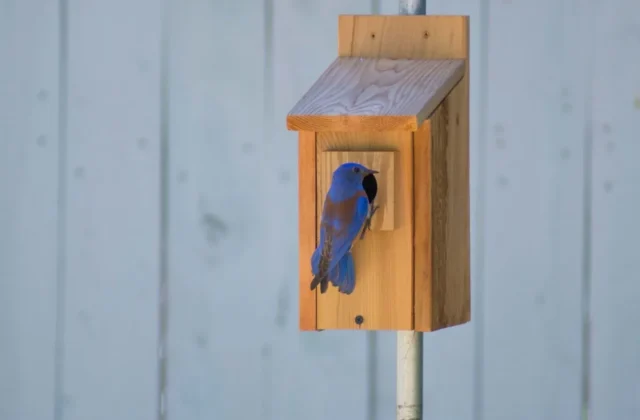
Do Birds Use Birdhouses in Winter?
Yes — chickadees, bluebirds, titmice, wrens and nuthatches roost in birdhouses on cold nights. Clean yours out this…
Read Article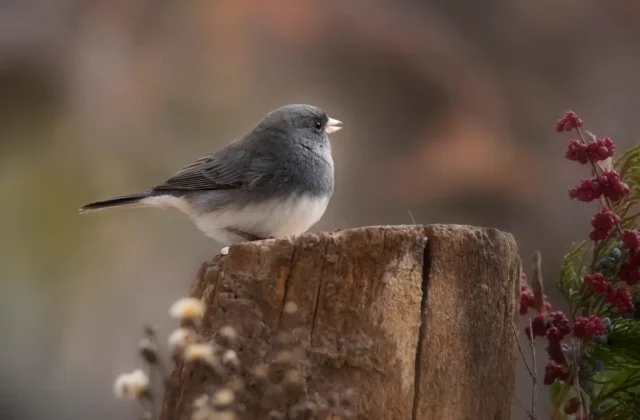
What Do Juncos Eat in Winter? (And How to Attract Them to Your Feeder)
In winter, juncos eat seeds — almost nothing else. White millet on the ground is their first choice.…
Read Article
Do Hummingbirds Need Food in Winter?
Most hummingbirds migrate, but the few that stay — above all Anna's Hummingbird — need food every day.…
Read Article