
Short Answer
Buy plain white safflower seed — whole seed, not a mix — and offer it in a hopper or platform feeder. Cardinals, chickadees, finches and doves eat it, while most squirrels, starlings and grackles avoid the bitter shell. Start small, mixing in a little black-oil sunflower until birds get used to it.
Squirrels can empty a feeder in an afternoon, so many bird lovers look for a seed birds love and squirrels do not. Safflower is one of the most useful answers: small, white, and a little bitter to mammals, but a favourite food for cardinals, chickadees, finches, and several other feeder birds. Matched to the right birds and feeder, it solves a real problem.
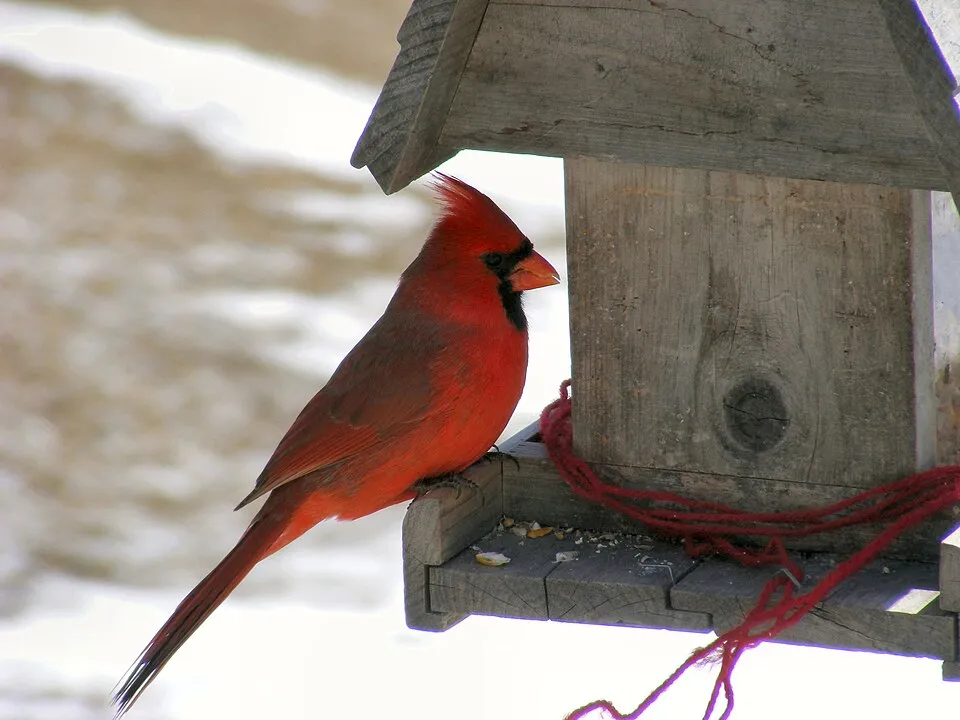
Bitter shell, strong beak: why squirrels skip it and cardinals crack it
Safflower seeds come from the safflower plant, a tall, thistle-like plant grown for oil and bird seed. The seeds are white and oval — slightly larger than a sunflower chip, smaller than a whole striped sunflower seed — with a hard shell that puts many mammals off. Cardinals crack it easily with their strong beaks, and smaller birds work at it or pick at broken pieces.
Cornell’s seed guide confirms the pattern: safflower has a thick shell, hard for some birds to crack open, but is a favourite among cardinals, and grosbeaks, chickadees, doves, and native sparrows also eat it. Cornell notes that House Sparrows, European Starlings, and squirrels do not like safflower — though in some areas they seem to have developed a taste for it. So no seed is completely squirrel-proof: a hungry squirrel in late winter may still sample safflower.
Safflower by the numbers
| Fact | Figure | Source |
|---|---|---|
| Bird groups Cornell names | 5 — cardinals, grosbeaks, chickadees, doves, native sparrows | Cornell Lab of Ornithology |
| Feeder types Cornell recommends | 2 — tray and hopper feeders | Cornell Lab of Ornithology |
| Baffle diameter, squirrel-resistant pole feeder | At least 17 inches | Audubon |
| Distance from shrubs or trees | At least 10 feet | Audubon |
| Seed storage limit | Do not keep seed from one winter to the next | Audubon |
| Feeder cleaning | Every 2 weeks in regular use | Univ. of Nebraska–Lincoln Extension |
Cardinals first, finches later: who actually eats it
Northern cardinals are the classic safflower bird: they have the beak strength to crack it, they like platform and hopper feeders, and they visit feeders through winter, when a reliable food source matters most. Place the safflower feeder where cardinals already feed, near a shrub or low tree where they can retreat quickly — cardinals are shy at first, and a feeder in the open will be visited less often than one near shelter. Black-capped chickadees, tufted titmice, house finches, purple finches, mourning doves, and grosbeaks also eat safflower regularly.

Some birds are slower to accept it. Goldfinches usually prefer sunflower seeds for backyard birds and nyjer seed, and may ignore safflower at first. Woodpeckers may sample it, but they are more likely to visit for suet. Chickadees and titmice grab one seed, fly to a branch to crack it, and return, so they may rarely sit at the feeder even when eating regularly. Judge a feeder by whether the seed level falls steadily over a few days. Mourning doves eat it from the ground or a platform feeder — a small amount on a clean, low tray works well.
Safflower vs sunflower: specialist vs all-rounder
Sunflower seeds, especially black oil sunflower seeds, are still the best all-round feeder seed for most yards. More species eat them, and they are eaten faster. Safflower wins in a different way: it is much less attractive to squirrels, and it is often left alone by starlings and house sparrows, which can crowd out smaller birds. A practical approach is to mix the two, or to use safflower in the feeder squirrels keep raiding and sunflower in another.
| Question | Safflower | Sunflower |
|---|---|---|
| Best all-round seed | A useful specialist seed | Still the best all-round seed; more species eat it, faster |
| Squirrel resistance | Much less attractive to squirrels | No squirrel resistance |
| Birds that love it | Northern cardinals, chickadees, finches and doves | The widest range of seed-eating birds |
| Slow to accept | Goldfinches often prefer sunflower or nyjer at first | Readily accepted by most seed-eaters |
If squirrels are the main problem, safflower helps, but it works best with other steps: keep feeders away from jumping-off points, use a baffle where possible, and do not put safflower in a feeder already full of sunflower — squirrels will pick through the mix. For more, see how to keep squirrels away from bird feeders.
Three mistakes that waste safflower
Expecting instant results. Birds do not read seed labels. They try new foods slowly, and may ignore safflower while sunflower is available nearby. Give it at least a week or two: mixing a little safflower into sunflower seed at first helps birds discover it.
The wrong feeder. Start small, in a hopper or platform feeder, where cardinals and chickadees feel comfortable. Cardinals prefer a feeder with a tray or perch they can sit on, and a small tube feeder with no tray will put off the very birds most likely to eat safflower. Do not fill a large feeder on the first day: if the birds are new to it, a large amount will sit, get damp, and go stale. Keep safflower dry — use a feeder with drainage and a roof, and check the seed after rain.
Old or dusty seed. Check that the seed smells fresh, not musty, and has not sat in a damp shed for a year. It should be mostly white and whole, not broken, dusty, or mixed with filler such as cracked corn or milo. Buy only what you will use in a few months. Rats and mice may still visit a ground feeder, so clean up spilled seed regularly — see how to keep rats and mice away from bird feeders.
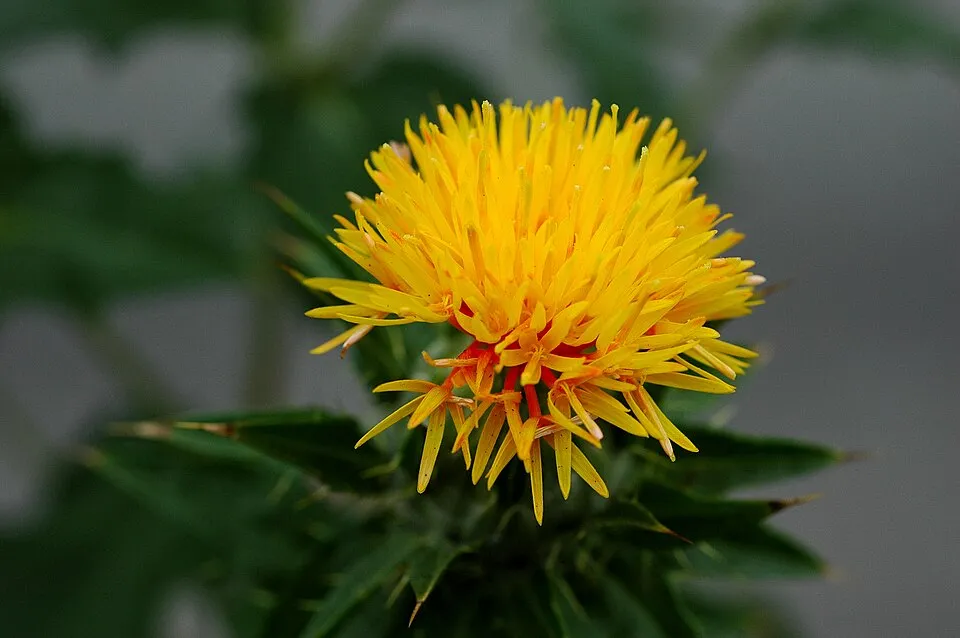
Winter is when safflower earns its price
Winter is when safflower earns its place. Birds need steady, high-energy food in winter, and a feeder squirrels empty daily is no help. A safflower feeder that stays full beats one raided before birds reach it. Pair safflower with suet and peanuts for backyard birds in a separate feeder, so different birds can choose. Water matters in winter too — see do birds need water in winter — and a plan can be built with the Feeding Tools planner. For a fuller winter plan, see best bird food for winter.
Safflower usually costs more than mixed seed, and sometimes more than sunflower seed — worth it only if it solves a problem in the yard. If squirrels are not a problem and birds already eat sunflower happily, no need to switch. If squirrels empty the feeders, or starlings crowd out cardinals, safflower can save seed in the long run. Buy a small bag first, test it for two weeks in one feeder, then decide if a larger bag is worth it.
Frequently Asked Questions
Do cardinals like safflower seeds?
Yes — cardinals are among the birds most likely to eat safflower, and often the first to accept a new safflower feeder.
Will squirrels eat safflower seeds?
Most squirrels avoid safflower because of its bitter taste, but no seed is completely squirrel-proof, especially in late winter when food is scarce.
Can I mix safflower with sunflower seeds?
Yes. Mixing a little safflower into sunflower seed helps birds discover it.
How long does it take birds to eat safflower?
Give it at least one to two weeks. Birds that are new to safflower often try it slowly, especially if sunflower is available nearby.
Is safflower good for birds in winter?
Yes, as part of a winter feeding mix: it provides fat and protein, and because squirrels rarely raid it, it stays available longer.
Which safflower seed should I buy for a hopper feeder?
Buy plain white safflower seed, sold on its own — not a mix with filler like cracked corn or milo. It should be mostly white, whole, and smell fresh. Offer it in a hopper or platform feeder, with a little black-oil sunflower until birds get used to it.
Related Reading on BirdFeedly
- Sunflower Seeds for Backyard Birds.
- Best Bird Seed for Backyard Birds.
- How to Keep Squirrels Away From Bird Feeders.
- How to Store Bird Seed.
Sources and Further Reading
- Cornell Lab of Ornithology — Feeding Birds: A Quick Guide to Seed Types
- Audubon — 11 Tips for Feeding Backyard Birds
- University of Nebraska–Lincoln Extension — Feeding Birds in Winter
Related guides: Sunflower Seeds for Backyard Birds: Black-Oil vs Striped vs Hulled · Squirrel-Proof Bird Feeders: Baffles, Placement, and the Safflower Switch

Related Articles
White Proso Millet: The Small Seed Ground-Feeding Birds Actually Eat
White proso millet suits ground-feeding birds best: sparrows, juncos, doves, towhees, and quail. Learn which millet to buy,…
Read Article
Sunflower Seeds for Backyard Birds: Black-Oil vs Striped vs Hulled
sunflower seeds for backyard birds are a simple, reliable starting food — learn which form suits your visitors,…
Read Article
Peanuts at the Feeder: Whole, Shelled, or Butter — What Each Bird Can Actually Use
Peanuts for backyard birds: which form to buy, which birds love them, and the salted, stale and mouldy…
Read Article