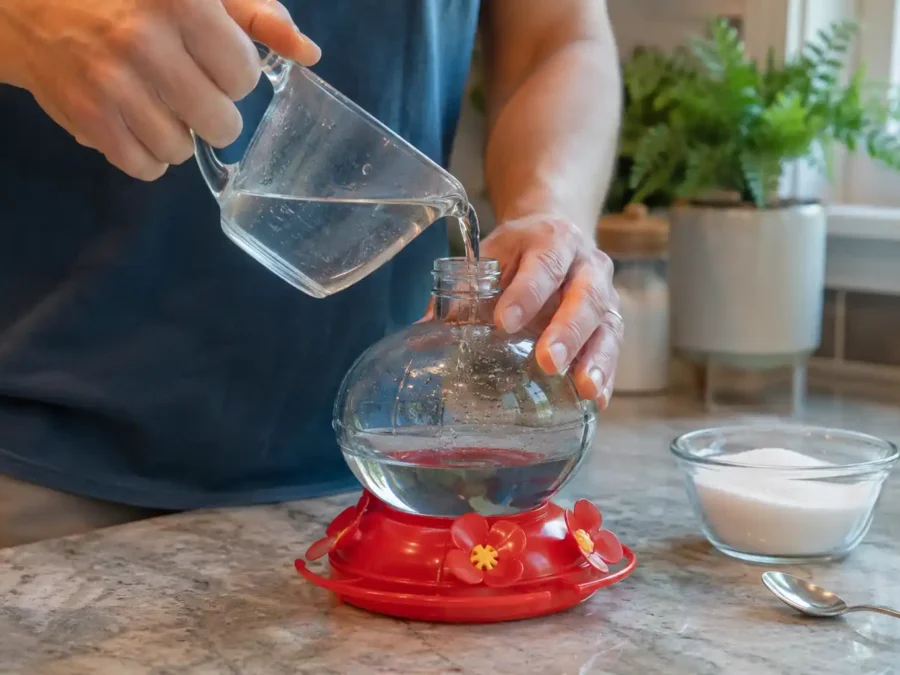
You don’t need store-bought hummingbird food. Here’s how to make hummingbird nectar — it’s cheaper, fresher, and safer for the birds. The recipe is simple: 1 part white sugar to 4 parts water. That’s it.
Ingredients: 1 cup white granulated sugar + 4 cups water. Method: Bring the water to a boil, stir in the sugar until fully dissolved, then let it cool completely before filling the feeder. Boiling helps dissolve the sugar and slows fermentation; extra nectar keeps in the refrigerator for up to 2 weeks.
This ratio closely matches the sugar concentration of the flower nectar hummingbirds evolved to drink. Making it sweeter doesn’t help — it can actually dehydrate the birds and cause fermentation problems in the feeder.
🌺 The Perfect Nectar, Up Front
- 1:4 ratio. 1 part plain white sugar to 4 parts water — nothing else.
- Boil, dissolve, cool. Boiling helps sugar dissolve and slows spoilage; always cool before filling.
- Fridge life: extra nectar keeps up to 2 weeks refrigerated.
- Never red dye. The feeder’s red parts are attraction enough — dye is unnecessary and potentially harmful.
Skip the store-bought mix — homemade is cheaper, fresher, safer.
📋 In This Guide
The 1:4 Recipe, Step by Step
Ingredients: 1 cup white granulated sugar + 4 cups water.
Method: Bring the water to a boil, stir in the sugar until fully dissolved, then let it cool completely before filling the feeder. Boiling helps dissolve the sugar and slows fermentation; extra nectar keeps in the refrigerator for up to 2 weeks.
This ratio closely matches the sugar concentration of the flower nectar hummingbirds evolved to drink. Making it sweeter doesn’t help — it can actually dehydrate the birds and cause fermentation problems in the feeder.
How Often to Change Nectar
| Temperature | Change Nectar Every |
|---|---|
| Below 70°F (21°C) | 4–5 days |
| 70–85°F (21–29°C) | 2–3 days |
| Above 85°F (29°C) | Daily |
Fermented nectar grows mold that can sicken hummingbirds. In hot weather, fill feeders only halfway so less goes to waste, and clean the feeder every time you refill.
Feeder Tips for More Hummingbirds
- Hang in partial shade. Shade slows fermentation and keeps nectar cooler.
- Start with one feeder and add more as traffic grows — territorial males guard feeders, so multiple feeders out of sight of each other serve more birds.
- Plant native flowers like bee balm, trumpet vine, and salvia alongside feeders for a complete hummingbird garden.
Frequently Asked Questions
Can I use organic or raw sugar?
No — stick to plain white granulated sugar. Raw and organic sugars contain iron and minerals at levels that can harm hummingbirds.
Do I need to boil the water?
Boiling isn’t strictly required if your tap water is safe, but it helps the sugar dissolve fully and slows spoilage. Always let nectar cool before filling.
Why are bees swarming my feeder?
Bees love sugar water too. Feeders with bee guards help; also try moving the feeder a few feet, since bees navigate by location memory.
When should I take my feeder down?
Leave feeders up until two weeks after your last hummingbird sighting — migrating birds need late-season fuel, and feeders don’t stop migration.
More on hummingbirds: see our complete hummingbird nectar guide.

Related Articles
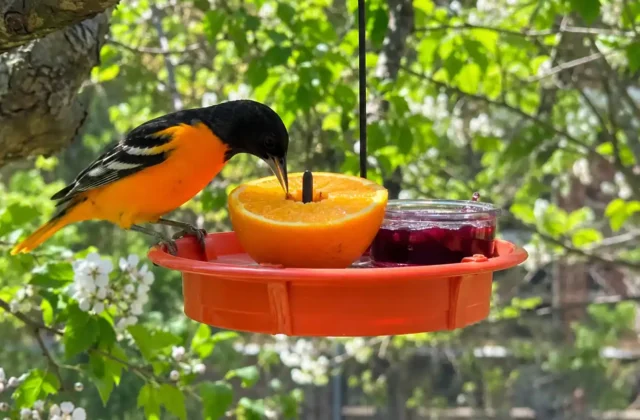
How to Attract Orioles to Your Backyard (Complete Guide)
Bird Feeding Note: This article is for general informational purposes. Keep feeders clean, provide fresh food and water,…
Read Article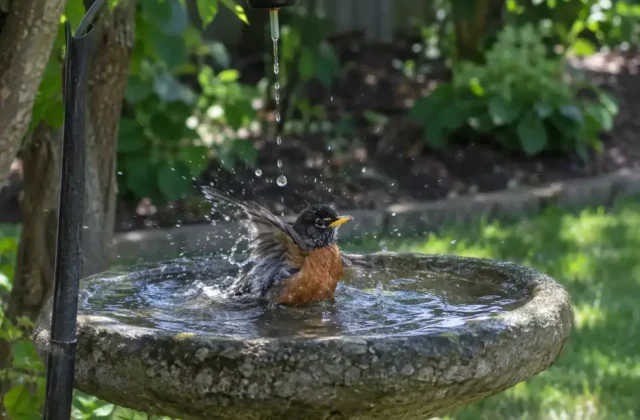
How to Attract Birds With Water (Complete Bird Bath Guide)
Bird Feeding Note: This article is for general informational purposes. Keep feeders clean, provide fresh food and water,…
Read Article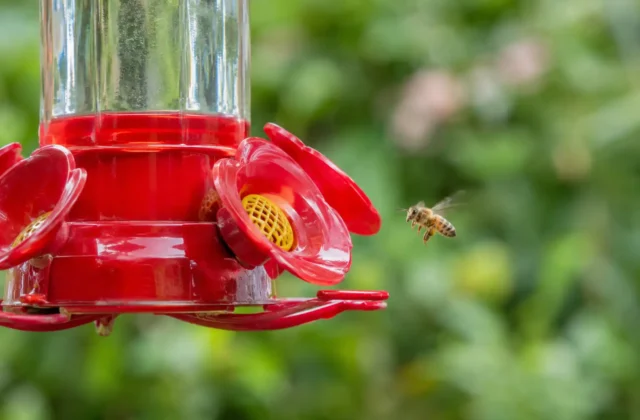
How to Keep Bees and Wasps Away from a Hummingbird Feeder
Bird Feeding Note: This article is for general informational purposes. Keep feeders clean, provide fresh food and water,…
Read Article